
Author's Profile
TÜV SÜD Expert
TÜV SÜD Expert
As electric vehicles (EVs) continue to gain momentum across the automotive and mobility industries, professionals working with high voltage systems face a growing set of challenges—and responsibilities. From shock and arc flash risks to increasingly complex battery architectures, understanding high voltage (HV) safety isn’t just a best practice—it’s a business-critical skillset
Whether you're a technician, engineer, or workshop operator, knowing how to assess, control, and work safely around HV systems is essential. Here's what you need to know to stay safe, compliant, and ahead of the curve.
A Quick Overview: What Are High Voltage Batteries?
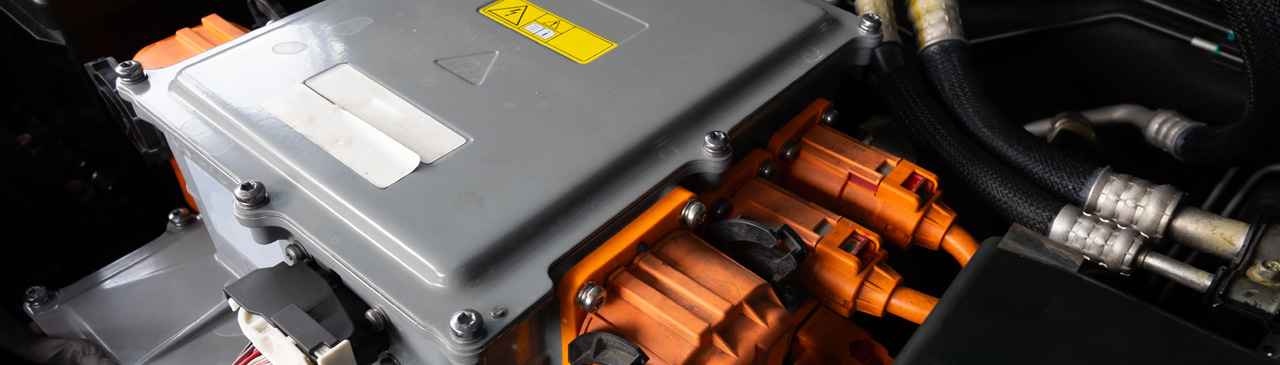
High voltage batteries power today’s electric and hybrid vehicles, which typically consist of multiple modules connected to deliver high energy output. These may include:
- Cylindrical, prismatic, or pouch-cell lithium-ion batteries
- Inverters and convertersPower distribution units
- Three-phase motors and regenerative braking systems
- Integrated battery management systems
While designs may vary by manufacturer, the basic functionality remains the same: storing and converting electrical energy to power the vehicle and its systems. These components carry both operational complexity and inherent electrical hazards.
Key info
Key Electrical Hazards You Need to Know
Working with HV batteries introduces specific types of hazards:
- Thermal Hazard: Occurs when short circuits or faults generate intense localized heating—even in low-voltage systems—resulting in fire risks or contact burns.
- Shock Hazard: Can occur above 50V AC or 100V DC, depending on the applicable standard. Some standards (e.g. in Canada and Europe) set lower thresholds at 30V AC or 60V DC, while OSHA uses 50V across the board. Shock can breach human skin resistance and send current through critical organs. Even small errors can be fatal.
- Arc Flash Hazard: Becomes a concern above 150V DC. A fault or short circuit can cause a powerful explosion of heat and plasma. Without proper protection, this can lead to severe injuries or burns.
Each hazard is associated with specific conditions and energy levels, which must be identified and managed proactively—especially during servicing, testing, or diagnostics.
Risk vs. Hazard: What’s the Difference and Why It Matters
Before diving into protective gear or procedures, it’s essential to distinguish two foundational concepts: hazards and risks.
- A hazard refers to the inherent danger—such as a high voltage battery that can deliver a fatal shock.
- A risk considers the likelihood and severity of harm during a specific interaction—such as opening the battery housing or disconnecting cables.
Understanding this distinction allows teams to move from simply identifying hazards to evaluating and managing them effectively. This is where a risk assessment comes in—by considering the voltage level, task type, and likelihood of exposure, you can determine what safety measures are necessary.
A thorough risk assessment informs everything that follows: what PPE you need, how your workspace is structured, and what kind of training is required.
From Risk to Protection: Choosing the Right PPE
Once a risk is identified, the next step is knowing how to protect yourself or your team. This brings us to Personal Protective Equipment (PPE)—your physical barrier against electrical injury.
- For shock hazards, this includes voltage-rated rubber gloves with leather protectors.
- For arc flash risks, it includes arc-rated clothing, face shields or hoods, and insulated tools.
- Additional PPE includes: safety glasses, hard hats, hearing protection, leather footwear, and insulated outerwear.
The important point here is that PPE must be aligned with the specific risk level of the task. If you’re working on or near energized components, you need to be prepared with the correct equipment—and understand how to use it. PPE is the last line of defense. Before relying on it, we must also control the working environment.
Creating a Safe Working Environment: Boundaries and Controls
To complement PPE, safe work zones must be clearly defined and enforced—especially in high voltage environments. These physical and procedural boundaries help prevent both accidental exposure and unqualified access.
These protective boundaries are calculated based on system voltage and potential incident energy. Key boundaries include:
- Restricted Approach Boundary: Requires specialized PPE and training, as it indicates a high probability of contact with energized conductors.
- Limited Approach Boundary: Prevents unqualified personnel from getting too close to energized parts.
- Arc Flash Boundary: Set where energy exceeds 1.2 cal/cm². Requires full arc-rated PPE to cross.
Establishing these zones help minimize exposure. It keeps bystanders safe, supports team coordination, and gives trained personnel a controlled space to work.
Training Levels: What Certification Do You Need?
To perform HV work safely, technical staff must receive training aligned to the task and exposure level. Industry best practices support a three-tiered structure:
Fundamentals of High Voltage Systems in Electric Vehicles – Level 1
For non-electrical personnel handling EVs without engaging the high voltage system (e.g., moving vehicles, tire changes).
Qualified Safety Work for High Voltage Vehicle System in a De-energized State – Level 2
For workers verifying system shutdown and performing maintenance on HV components in a safe state.
Required for advanced personnel dealing with energized components, such as battery diagnostics, isolation fault recovery, or module replacement.
Additionally, a Safe Handling of High Voltage Batteries course is ideal for battery manufacturing, logistics, and test facilities where employees may handle modules or packs.
Who Should Prioritize High Voltage Safety Training?
High voltage safety is critical for a wide range of professionals in the EV ecosystem, including:
- EV technicians and mechanics
- Hybrid vehicle mechanics
- Industrial and qualified electricians
- High voltage systems engineers
- R&D engineers at automotive and battery companies
- Staff in service workshops or test facilities
As high voltage systems become standard across fleets, every member of the value chain must be equipped with the right safety knowledge and procedures.
How TÜV SÜD Academy Can Help
TÜV SÜD Academy offers a comprehensive portfolio of high-voltage safety training courses tailored to the needs of technicians, engineers, and safety managers. Delivered by experienced industry professionals, our programs combine technical knowledge with practical application—ensuring your team can confidently assess hazards, implement safe practices, and comply with evolving industry standards.
Courses are available for all skill levels and can be delivered on-site for private sessions or through remote learning platforms, depending on your team’s needs.
Explore our high-voltage courses today and take the first step toward a safer, smarter EV future.