
Author's Profile
TÜV SÜD Expert
TÜV SÜD Expert
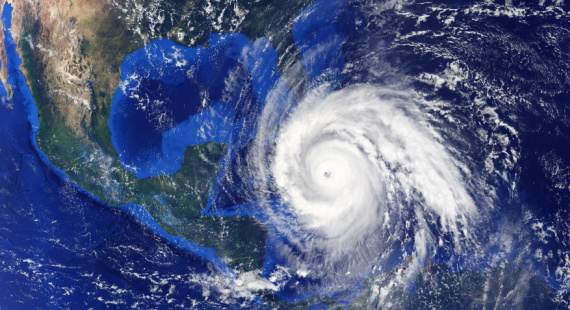
Hurricane Helene is a stark reminder of the devastation caused by high winds and flooding. The loss of life is tragic, and the destruction to homes, businesses, and communities is painful to witness. Natural hazards don’t have to turn into natural catastrophes. We can do better—and we must do better.
Rebuilding will happen, but the question is, will we build back better? Simply meeting minimum building codes might not be enough. A forward-looking, common-sense approach is essential to protect homes and businesses now and for the future.
While Hurricane Helene brought powerful winds, the widespread and unexpected flooding caught many by surprise. The storm triggered riverine and coastal flooding (storm surge) and caused significant wave action for beachfront properties. Additionally, stormwater runoff impacted the entire region.
In fact, the National Hurricane Center reports that the top cause of tropical cyclone deaths from 2013 to 2022 has been rainfall flooding, not storm surge.
As those affected by Helene begin to rebuild and others assess their preparedness, it’s crucial to remember these three key words: locate, elevate, and mitigate. In order of priority:
- Locate assets outside established flood hazard areas.
- Elevate assets above flood hazards.
- Mitigate flood hazards using passive, active, and manual flood protection strategies.
Here’s what that looks like in practice:
1. Locate assets outside flood hazard areas
Start by identifying all known flood hazards that could impact your assets. Use available flood mapping tools like FEMA’s in the United States to understand the proximity of riverine and coastal flood hazards to your assets.
2. Elevate assets above flood hazard levels
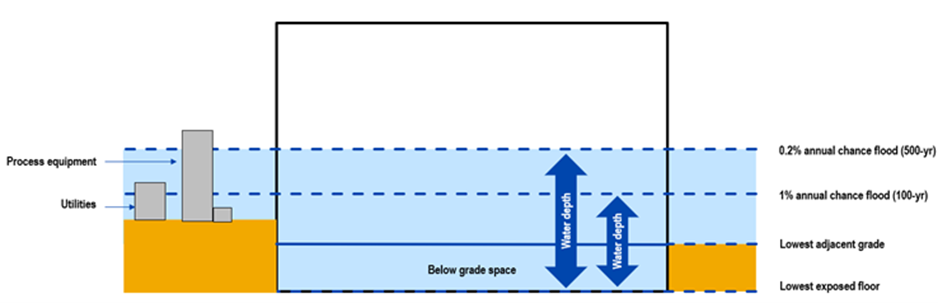
If assets such as buildings, equipment, stock and storage, utilities, or yard storage are located in established flood hazard areas, elevate them above the flood hazard level. To add a layer of added protection, elevate assets above the 0.2% annual chance flood (500-year flood). It’s advisable to include additional freeboard, so assets are at least 2 feet (0.6 meters) above the hazard level. In coastal areas, use the latest storm surge maps to assess your exposure.
Pay special attention to below-grade spaces, like basements. The elevation of the lowest exposed floor, as shown in the image below, should be factored into your risk assessment.
3. Mitigate flood risks with passive, active, and manual strategies
Most flood protection measures are a combination of elevation and mitigation. In the image below, the elevation of outdoor utilities and equipment is achievable, while mitigation can protect the building and interior contents.
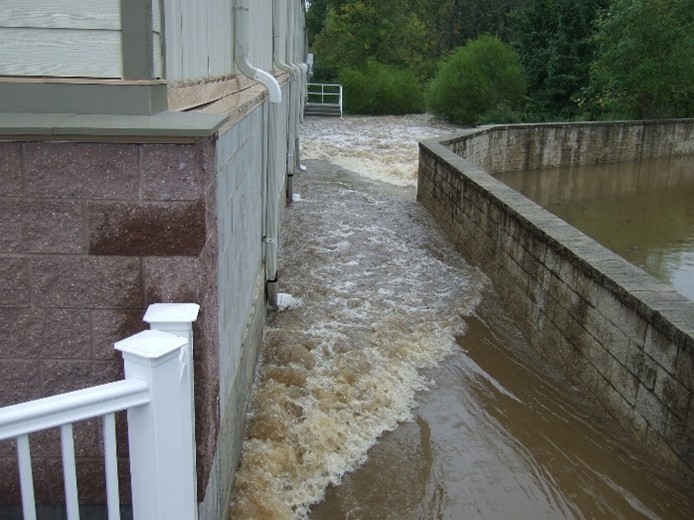
This is a flood wall barrier.
Flood mitigation strategies can be grouped into three categories: passive, active, and manual.
- Passive protection, such as engineered flood barrier walls or earthen berms, requires no manual intervention. These defenses are always in place, though regular inspections and maintenance are necessary.
- Active protection, like dewatering pumps or water-activated flood barriers, depends on mechanical and electrical systems, which require regular inspection, testing, and maintenance. Backup power systems will help ensure reliability.
- Manual protection involves doors and barriers that must be installed or closed manually. While effective when properly implemented, manual systems require trained personnel to act swiftly before a flood event occurs.
Whatever combination of strategies you choose, having an up-to-date and regularly practiced Flood Emergency Response Plan is critical. From residential homes to industrial facilities, a well-practiced plan significantly reduces the potential for catastrophic flood damage.
As we rebuild after Hurricane Helene and look to strengthen flood resilience in unaffected areas, remember: locate, elevate, mitigate. Together, we can build a safer future.