
查看最新法規
查看最新法規
如果您需要相關服務,歡迎寫信至我們的信箱[email protected],將由專人為您服務。
2026.01.05
2025年11月4日,巴西國家計量品質與技術研究院(INMETRO)發布第638/2025號法規,修訂原第299/2021號法規內容,更新適用於桌上型、壁掛式、立式風扇與空氣循環扇的合格評定要求。
本次修訂重點如下:
本法規適用於:所有家用、額定電壓為127V、220V或雙電壓之桌上型、壁掛式、立式風扇與空氣循環器,以及為此用途銷售的相關電器產品。
更新後所採用之安全測試標準如下:
本法規自2025年11月4日起正式生效。
On November 4, 2025, Brazil’s National Institute of Metrology, Quality and Technology (INMETRO) issued Ordinance No. 638/2025, amending Ordinance No. 299/2021 to update the conformity assessment requirements for table, wall-mounted, pedestal fans, and air circulators.
Key revisions include:
This ordinance applies to all household fans and air circulators—including table, wall-mounted, and pedestal types—operating at 127V, 220V, or dual voltage, as well as related appliances marketed for these purposes.
The updated safety standards referenced in the regulation include:
The revised regulation entered into force on November 4, 2025.
2025年12月2日,中華人民共和國國家市場監督管理總局與國家標準化管理委員會聯合公告,發布國家標準 GB 46865-2025《消費類激光指示器產品光輻射安全要求》。
本標準將自 2026年7月1日 起正式實施,適用於各類消費型雷射指示器產品之光輻射安全規範與測試依據。
On December 2, 2025, the State Administration for Market Regulation (SAMR) and the Standardization Administration of China (SAC) jointly announced the release of national standard GB 46865-2025: Optical Radiation Safety Requirements for Consumer Laser Pointers.
This standard will take effect on July 1, 2026, and establishes safety and testing requirements for the optical radiation of consumer-grade laser pointer products.
2025年11月7日,印度電子與資訊技術部(MeitY)於官方公報發布通知,宣佈IS 13252-1:2010與IS 616:2017兩項現行標準將被新標準 IS/IEC 62368-1:2023 所取代。
本次公告將擴增實境(XR)產品首次納入資訊技術類產品範疇,並作為第65類強制性產品,納入 BIS 認證制度管理。
公告亦明訂新舊標準將並行實施的期限如下:
自 2028年11月1日 起,IS 13252-1 及 IS 616 將正式廢止,僅接受依新標準 IS/IEC 62368-1:2023 申請之產品證書。
On November 7, 2025, India’s Ministry of Electronics and Information Technology (MeitY) issued an official gazette notification announcing that IS 13252-1:2010 and IS 616:2017 will be replaced by the new standard IS/IEC 62368-1:2023.
The announcement expands the scope of mandatory regulation to include Extended Reality (XR) products, which will be classified under Product Category 65 and subject to BIS certification.
The transition timeline for overlapping implementation of the old and new standards is as follows:
After November 1, 2028, both IS 13252-1 and IS 616 will be officially withdrawn. Only certifications under IS/IEC 62368-1:2023 will be accepted thereafter.
印尼通訊與數位部(Komdigi)下轄的數位基礎建設總局(DJID)已於 2025 年 11 月 7 日正式頒布 KEPMEN KOMDIGI No. 469/2025,更新需符合技術標準之電信設備與裝置清單,並同步修訂進口報關資料(PIB)格式,特別針對具有電信功能之產品增設資料欄位。
重點如下:
1. 凡具備下列無線通訊功能者,均須強制進行電信認證:Wi-Fi、藍牙(Bluetooth)、NFC、蜂巢式行動通訊(LTE/5G)、無線電頻率(RF)等。
2. 重點原則:功能優於清單
3. 所有進口商與製造商應根據新格式正確填寫 CEISA 4.0 系統中的 PIB 資料,以避免報關延誤。
受影響產品類別,以下設備若具備通訊模組或無線功能,應納入合規範疇:
1. 個人與消費性設備:筆電、平板、手機、智慧手錶等
2. 網路與基礎建設設備:路由器、交換器、光纖終端(ONU/ONT)、基地台等
3. 無線模組與物聯網設備:RFID 裝置、GPS 追蹤器、低功耗模組等
4. 廣播與射頻設備:對講機、雷達系統、機上盒等
5. 智慧連網產品:內建無線功能之家電與車載娛樂系統等
建議所有相關業者立即詳讀新頒布的 KEPMEN KOMDIGI No. 469/2025,檢視其產品是否涉及無線通訊功能,並確認是否需進行電信認證,以避免進口延誤或處罰風險。此外,進口報關流程應依據最新公告進行更新,特別是進口報單(PIB)資料填寫部分,須符合 CEISA 4.0 系統的最新格式要求。對於產品是否涵蓋在認證範圍內而存有疑義者,建議主動聯繫 DJID 或合格認證機構以獲得正式確認。
The Directorate General of Digital Infrastructure (DJID), under Indonesia’s Ministry of Communication and Digital (Komdigi), officially issued KEPMEN KOMDIGI No. 469/2025 on November 7, 2025. This decree updates the list of telecommunications equipment and devices required to comply with technical standards, and also revises the Import Goods Notification (PIB) format, with additional data fields specifically for products with telecommunication functionality.
Key points are as follows:
1. Mandatory certification is required for devices that feature any of the following wireless communication technologies: Wi-Fi, Bluetooth, NFC, cellular technologies (LTE/5G), or radio frequency (RF) modules.
2. Core Principle: Function over Listing
3. All importers and manufacturers must ensure accurate PIB data entry within the CEISA 4.0 system, in accordance with the revised format, to avoid delays in customs clearance.
Affected Product Categories, devices falling into the following categories must comply if they include communication modules or wireless functionality:
1. Computing & Personal Devices: laptops, tablets, smartphones, smartwatches
2. Network & Infrastructure Equipment: routers, switches, optical network terminals (ONU/ONT), base transceiver stations (BTS)
3. Wireless Modules & IoT Devices: RFID units, GPS trackers, low-power wireless modules
4. Broadcasting & RF Equipment: two-way radios, radar systems, set-top boxes
5. Smart Connected Products: household appliances and automotive infotainment systems with embedded wireless capabilities
It is strongly advised that all relevant stakeholders thoroughly review KEPMEN KOMDIGI No. 469/2025 and assess whether their products involve any wireless communication functions requiring certification, in order to avoid import delays or regulatory penalties. Internal customs clearance procedures should also be updated to reflect the latest PIB data requirements, particularly for entries submitted via the CEISA 4.0 platform. If there is any uncertainty about whether a product falls within the certification scope, consultation with DJID or an authorized certification body is recommended to obtain official confirmation.
2026年6月2日,墨西哥國家能源資源保護與合理利用標準諮詢委員會(CCNNPURRE)正式發布 NOM-014-ENER-2025(原草案編號 PROY-NOM-014-ENER-2024),該標準適用於額定輸出功率為0.180 kW至2.238 kW的單相感應鼠籠式空冷交流電動機,並針對其能源效率進行規範。
本標準適用範圍包括所有於墨西哥製造、進口或銷售之連續運轉型、單相、感應式/鼠籠式/空冷式交流電動機,其輸出功率介於 0.180 kW至2.238 kW。
需額外輔助冷卻裝置的電動機不在此範圍內。
本標準並要求產品貼附能效標籤,並清楚標示下列資訊:
該標準第一階段已於2025年11月29日生效;第二階段將於2027年6月2日起正式生效,屆時原有之 NOM-014-ENER-2004 將被廢止。
On June 2, 2026, Mexico’s National Consultative Committee for Standardization of Energy Resources and Energy Efficiency (CCNNPURRE) officially published NOM-014-ENER-2025 (formerly PROY-NOM-014-ENER-2024), a standard that regulates energy efficiency requirements for single-phase, squirrel-cage, air-cooled AC motors with a rated output power between 0.180 kW and 2.238 kW.
The standard applies to continuous duty, single-phase induction motors manufactured, imported, or sold in Mexico, within the specified power range.
Motors that require auxiliary or external cooling equipment are excluded from the scope.
An energy efficiency label is mandatory, and must clearly include the following information:
2025 年 12 月 5 日起,泰國國家廣播暨電信委員會(NBTC)正式生效以下技術標準與規範更新,涉及 DECT 技術、無線麥克風設備,以及通用用途無線電設備之頻率與認證條件:
一、 NBTC TS 1006-2568 – 無線麥克風技術標準(更新版)
二、 NBTC TS 1042-2568 – DECT 數位通訊設備技術標準(新發布)
三、 通用用途設備 – 頻率使用條件修訂
Effective from December 5, 2025, the National Broadcasting and Telecommunications Commission (NBTC) of Thailand has officially enacted the following technical standards and regulatory updates related to DECT technology, wireless microphones, and general-use radiocommunication equipment.
1. NBTC TS 1006-2568 – Technical Standard for Wireless Microphones (Updated Version)
2. NBTC TS 1042-2568 – Technical Standard for DECT Radiocommunication Equipment (New Release)
3. Updated Frequency Use Conditions for License-Exempt Equipment
泰國Thailand:NBTC將自2026年起要求藍牙設備提供電氣安規報告
泰國國家廣播與電信委員會(NBTC)近期重新詮釋《NBTC TS 1035-2562 號技術標準》,確認所有使用2.4 GHz和/或5 GHz頻段之無線電設備,包括 藍牙、Zigbee 及短距離無線電設備(SRD ),均須符合電氣安全測試要求(如 IEC、EN 或 LVD報告,版本不限)。
根據NBTC公告,自2026年2月1日起,所有上述設備如欲取得SDoC(自我符合聲明)文件,須檢附電氣安規測試報告。
在此之前,即日起至2026年1月31日止,仍可於過渡期內申請SDoC而無需提交安規報告。
NBTC表示,此為對 NBTC TS 1035-2562 標準的正確解釋。該標準已取代過往專屬於Wi-Fi設備的 NTC TS 1012-2551,現適用於所有使用2.4/5GHz頻段之無線電通訊設備,藍牙設備亦在範圍內。
建議相關業者儘早備妥安規測試報告,以確保2026年起之申請流程順利。
Thailand’s National Broadcasting and Telecommunications Commission (NBTC) has reinterpreted the NBTC TS 1035-2562 technical standard to confirm that all radiocommunication equipment operating on the 2.4 GHz and/or 5 GHz bands, including Bluetooth, Zigbee, and SRD devices, must comply with electrical safety testing requirements (e.g., IEC, EN, or LVD reports, any revision accepted).
Effective February 1, 2026, all such devices must submit an electrical safety test report when applying for SDoC (Supplier’s Declaration of Conformity).
Until then, NBTC will allow applications without safety reports during a transition period ending January 31, 2026.
NBTC clarified that this interpretation aligns with the intent of NBTC TS 1035-2562, which replaces the earlier NTC TS 1012-2551 (previously specific to Wi-Fi). The current standard now covers all equipment operating on 2.4/5GHz frequencies, including Bluetooth.
Relevant parties are advised to prepare safety reports in advance to ensure uninterrupted certification after the new enforcement date.
2025年11月14日,越南工業與貿易部(MOIT)核准發布第 52/2025/TT-BCT 號通告,公告納入能源效率管理的產品清單。該通告將自 2026年1月1日 起生效,並將管控產品分為以下三大類:
一、 家用電器
涵蓋以下產品皆需申請能源效率標籤:直管螢光燈、緊湊型螢光燈(CFL)、螢光燈用電磁/電子安定器、空調、冰箱、家用洗衣機、電飯鍋、電風扇、電視機、LED燈、儲水式熱水器。
以下產品為過渡期管理,可於2026年12月31日前自願申請能效標籤,並自2027年1月1日起納入強制性標示:
二、 辦公與商業設備
須強制能效標示:商用冰箱、筆記型電腦
三、 工業設備
另鼓勵其他雖未於清單中列明、但已具備越南國家能效標準且可於國內進行測試之車輛與設備,自願申請能效標籤。
On November 14, 2025, Vietnam’s Ministry of Industry and Trade (MOIT) officially approved Circular No. 52/2025/TT-BCT, specifying the categories of products under energy efficiency management. The circular will take effect on January 1, 2026, and divides regulated items into three main groups:
1. Household Appliances
Products requiring mandatory energy labels:
Linear fluorescent lamps, compact fluorescent lamps (CFL), electromagnetic and electronic ballasts for fluorescent lamps, air conditioners, refrigerators, household washing machines, rice cookers, electric fans, televisions, LED lamps, and storage-type water heaters.
The following products may voluntarily apply for energy labeling until December 31, 2026, and will become mandatory starting January 1, 2027:
2. Office and Commercial Equipment
3. Industrial Equipment
The circular also encourages voluntary energy labeling for other vehicles and equipment not explicitly listed but which are covered under Vietnamese national energy efficiency standards and can be tested domestically.
2026.01.20
開曼群島公用事業監管與競爭管理局(OfReg)於 2025 年 12 月 10 日發布了一項法規通告,明確規範須經該局許可之資通訊技術(ICT)網路與服務類型。
本次通告於 附件二(Annex 2) 中詳列了「核可之短距離設備(SRD)頻段與作業參數」,其中最值得關注的更新為:
The Utility Regulation and Competition Office (OfReg) of the Cayman Islands issued a Regulatory Notice on December 10, 2025, defining the types of Information and Communications Technology (ICT) networks and services that require licensing.
A key update is found in Annex 2, which specifies the "Permitted Short-Range Device (SRD) Frequency Bands and Operating Parameters." The significant technical updates include:
智利電信管理局(SUBTEL)於 2025 年 11 月 24 日發布第 2219 EXENTA 號決議,修訂原第 1985 EXENTA 號與第 737 EXENTA 號決議,旨在釐清第 737 號決議中的部分模糊內容,並引入新規定。
值得注意的是,SUBTEL 現已接受對於已取得其驗證的設備,可透過二維碼提供證書資訊,無需再附上測試報告、製造商聲明或其他補充文件。
On November 24, 2025, Chile's telecommunications authority (SUBTEL) issued Resolution No. 2219 EXENTA, which amends Resolutions No. 1985 EXENTA and No. 737 EXENTA. The new resolution aims to clarify certain ambiguities in Resolution No. 737 EXENTA and introduce updated requirements.
Notably, SUBTEL now allows certified devices to display certification information via a QR code, eliminating the need to provide test reports, manufacturer declarations, or other supporting documentation.
中國國家認證認可監督管理委員會(CNCA)於 2025 年 12 月 23 日發布第 27 號公告,宣布對部分產品(如行動電源)啟動 CCC 強制性產品認證標誌的試點改革。
此次改革重點為:在 CCC 標誌旁新增二維碼,便於消費者與監管機構查詢產品與製造商資訊,以防止假冒認證行為。
試點產品包括:
根據公告:
On December 23, 2025, China’s Certification and Accreditation Administration (CNCA) issued Announcement No. 27 of 2025, introducing a pilot reform for the China Compulsory Certification (CCC) marking for certain products, including power banks.
The reform involves adding a QR code next to the CCC mark, allowing consumers and regulatory authorities to verify product and manufacturer information more easily, helping to prevent counterfeit certification.
The pilot scope includes:
According to the announcement:
印度國家通訊安全中心(NCCS)於 2025 年 12 月 29 日發布通知,旨在簡化 ONT(光網路終端) 設備的測試與認證流程。隨後,NCCS 於 2026 年 1 月 1 日發布進一步通知,明確規定 ONU(光網路單元) 設備須遵循與 ONT 設備相同的指示、通報、官方備忘錄(OM)及公告。
The National Center for Communication Security (NCCS) of India issued a notification on December 29, 2025, aimed at simplifying the testing and certification process for ONT (Optical Network Terminal) devices. Subsequently, on January 1, 2026, NCCS published a follow-up notification clarifying that ONU (Optical Network Unit) devices shall adhere to the same instructions, circulars, Office Memorandums (OMs), and notifications previously established for ONT devices.
印度電信工程中心(TEC)於 2025 年 12 月 29 日發布通告,宣布延長接受來自「非接壤國家」之 ILAC 測試報告。針對下列產品,其技術參數之國外測試報告將可沿用至 2026 年 6 月 30 日。請注意,這些測試報告自上傳至 MTCTE 入口網站之日起算,效期不得超過 2 年。
適用產品清單:
The Telecommunication Engineering Centre (TEC) of India issued a notification on December 29, 2025, announcing an extension for the acceptance of ILAC test reports from non-border sharing countries. For the products listed below, foreign ILAC reports covering technical parameters will be accepted until June 30, 2026. Please note that these reports must be issued within two years of their submission date to the MTCTE portal.
Applicable Products:
印度電信工程中心(TEC)於 2025 年 12 月 29 日發布通告,宣布延長下列產品在 MTCTE 認證架構下提交測試報告之通用豁免(Generic Exemption)。此豁免期限將延長至 2026 年 6 月 30 日,或直至另行通知為止。
適用豁免之產品類別:
The Telecommunication Engineering Centre (TEC) of India issued a notification on December 29, 2025, announcing an extension of the generic exemption from submitting test reports for specified products under the MTCTE scheme. This exemption will remain in effect until June 30, 2026, or until further notice.
Affected Product Categories:
印尼通訊與數位部(Komdigi)於 2025 年 12 月 19 日正式發布了 KEPMEN KOMDIGI No. 569 of 2025,此新法規旨在修訂原有的 KM No. 352/2024。
該政令將於 2026 年 1 月 19 日起正式生效。本次更新中最關鍵的影響如下:
Indonesia’s Ministry of Communication and Digital (Komdigi) issued KEPMEN KOMDIGI No. 569 of 2025 on December 19, 2025, revising the previous regulation KM No. 352/2024.
This new decree will officially take effect on January 19, 2026. The key impacts of this update are as follows:
巴基斯坦電信管理局 (PTA) 於 2025 年 12 月 18 日發布了 第 1.4 版 的短距離設備 (SRD)與陸地物聯網 (IoT) 服務監管架構。此版本更新了相關設備的頻譜分配與作業參數,所有在巴基斯坦銷售的低功率無線產品及物聯網應用均須符合最新的技術規範。
The Pakistan Telecommunication Authority (PTA) released Version 1.4 of the Regulatory Framework for Short-Range Devices (SRD) and Terrestrial IoT Services on December 18, 2025. This updated version provides the latest spectrum allocations and operating parameters for low-power wireless devices and IoT applications in Pakistan, ensuring all products comply with the revised technical standards for market access.
巴拉圭國家電信委員會(CONATEL)於 2025 年 12 月 17 日 發布第 3339/2025 號決議,修訂《全國頻率分配計畫(PNAF)》。
本次修訂中,3,700–3,800 MHz 頻段正式劃設為國際行動通訊系統(IMT)專用頻段。
On December 17, 2025, Paraguay’s National Telecommunications Commission (CONATEL) issued Resolution No. 3339/2025, which revises the National Frequency Allocation Plan (PNAF).
As part of this revision, the 3,700–3,800 MHz frequency band has been officially allocated for use by International Mobile Telecommunications (IMT) systems.
韓國國立無線電研究院(RRA)於 2025 年 12 月 5 日發布第 2025-9 號公告,修訂 KS C 3350《電磁波人體比吸收率(SAR)測量標準》,並定於 2026 年 4 月 1 日起正式實施。本次修訂重點如下:
The National Radio Research Agency (RRA) of South Korea issued Announcement No. 2025-9 on December 5, 2025, detailing revisions to KS C 3350, the Standard for Measurement of Specific Absorption Rate (SAR). These updates will officially take effect on April 1, 2026.
The key revisions are as follows:
越南科學技術部(MST)於 2025 年 12 月 31 日發布第 52/2025/TT-BKHCN 號通報,正式引進國家技術法規 QCVN 86:2025/BKHCN。此標準規範了行動通訊系統(如行動電話與陸地行動終端)中終端及輔助設備的電磁相容性(EMC)要求。
本次更新重點如下:
The Ministry of Science and Technology (MST) of Vietnam issued Circular 52/2025/TT-BKHCN on December 31, 2025, introducing the new National Technical Regulation QCVN 86:2025/BKHCN. This standard governs the Electromagnetic Compatibility (EMC) for terminal and auxiliary equipment used in mobile communication systems, such as mobile phones and terrestrial mobile terminals.
The key details of this update are as follows:
越南科學技術部(MST)於 2025 年 11 月 30 日發布第 41/2025/TT-BKHCN 號通報,正式引進國家技術法規 QCVN 136:2025/BKHCN。此標準專門針對 6 GHz 頻段無線存取設備(包含 Wi-Fi 6E 與 Wi-Fi 7)訂定規範。
本次更新重點如下:
The Ministry of Science and Technology (MST) of Vietnam promulgated Circular No. 41/2025/TT-BKHCN on November 30, 2025, introducing the National Technical Regulation QCVN 136:2025/BKHCN. This standard specifically governs 6 GHz band wireless access equipment, including Wi-Fi 6E and Wi-Fi 7 technologies.
The key details of this update are as follows:
2026.02.13
玻利維亞電信與運輸監管機構(ATT)已於 2026年1月28日 正式發布更新清單,重新定義了須辦理型式認證的電信設備範圍。
根據最新規範,所有列入清單的電信設備在進入玻利維亞市場銷售前,均須向 ATT 申請並取得認證證書,以符合當地的技術標準。
The Autoridad de Regulación y Fiscalización de Telecomunicaciones y Transportes (ATT) of Bolivia has officially released an updated list of telecommunications equipment subject to mandatory homologation, effective January 28, 2026.
Manufacturers and importers must ensure that any telecommunications or radio frequency devices intended for the Bolivian market comply with these latest requirements. Devices falling under this updated list must obtain the necessary ATT certification prior to customs clearance and commercial distribution.
印度通訊部(Department of Telecommunications, DoT)已於 2026年1月20日 發布正式公告,公布《2026年低功率與極低功率無線接取系統使用規則》(包含無線區域網路),開放在 6GHz 頻段(5925–6425 MHz)中使用,且免除執照申請要求。
此規則自公告日起生效,並適用於下列設備與操作環境:
| 類型 | 使用環境 | 最大等效輻射功率(EIRP) |
| 低功率設備(LPI) | 僅限室內 | 1W(30 dBm) |
| 極低功率設備(VLP) | 室內與室外皆可 | 25mW(14 dBm |
India’s Department of Telecommunications (DoT) has issued a notification on January 20, 2026, announcing the publication of the Use of Low Power and Very Low Power Wireless Access System (including Radio Local Area Networks) in Lower 6 GHz Band (Exemption from Licensing Requirement) Rules, 2026.
These Rules apply to the 5925–6425 MHz frequency band and are now officially in effect. The regulations specify operating conditions for Low Power Indoor (LPI) and Very Low Power (VLP) devices.
| Type | Usage Environment | Max EIRP |
| Low Power Indoor (LPI) | Indoor Only | 1W(30 dBm) |
| Very Low Power (VLP) | Indoor and Outdoor | 25mW(14 dBm |
印度標準局(Bureau of Indian Standards, BIS)於 2025 年 9 月 9 日發布通用照明 LED 模組修訂標準 IS 16103-1:2025 / IEC 62031:2018 之實施指南。
其後,BIS 於 2026 年 1 月 1 日宣布,將該標準的最終實施日期延後至 2026 年 7 月 21 日,其餘條款內容維持不變。
本次修訂標準相較於舊版,主要更新重點如下:
上述實施指南已自 2025 年 9 月 9 日起正式生效。
On September 9, 2025, the Bureau of Indian Standards (BIS) issued the implementation guidelines for the revised standard IS 16103-1:2025 / IEC 62031:2018 applicable to general lighting LED modules.
Subsequently, on January 1, 2026, BIS announced that the final implementation date of the standard has been extended to July 21, 2026, while all other provisions remain unchanged.
Compared with the previous version, the revised standard includes the following key updates:
The implementation guidelines have been effective since September 9, 2025.
印度能源部(Bureau of Energy Efficiency, BEE)於 2025 年 12 月 29 日發布 第 5506/BEE/S&L/AL/2025-26 號法規(2026 年版),針對電器設備之能源效率標示及合規要求作出規範。
該法規明確規定能效標籤之標示內容與展示方式、能效標籤申請與認證流程、能效測試要求、標籤費用以及標籤有效期限等相關事項。
凡從事生產、銷售或進口附錄 A 所列電器或設備之公司,皆須向主管機關完成登記,提出申請,並依規定繳納能效標籤費用。
其中:
本法規已自 2026 年 1 月 1 日起正式生效。
On December 29, 2025, the Bureau of Energy Efficiency (BEE) of India issued Regulation No. 5506/BEE/S&L/AL/2025-26 (2026) concerning energy efficiency labeling and compliance requirements for electrical appliances and equipment.
This regulation specifies requirements related to label content and display, certification procedures for label application, energy efficiency testing, labeling fees, and the validity period of energy efficiency labels.
Companies engaged in the manufacture, sale, or import of appliances or equipment listed in Annex A are required to register with the competent authority, submit applications, and pay the applicable labeling fees.
This regulation has been effective since January 1, 2026.
自 2026 年 7 月 1 日起,電磁爐類產品於印度市場銷售,必須申請並取得 BEE 強制性能效星級標籤(Star Labeling)。
涵蓋產品範圍如下:
Starting from July 1, 2026, induction cooktops circulated in the Indian market will be required to apply for the BEE mandatory energy efficiency star label.
The scope of covered products includes:
印度國家通訊安全中心(National Centre for Communication Security, NCCS)於 2026 年 1 月 8 日發布一份新的 ITSAR技術要求文件,內容針對 5G Open RAN 架構中的 RAN Intelligent Controller(RIC) 設備,訂定相關資安與安全保證要求。
本 ITSAR 文件主要涵蓋 RIC 設備於系統安全、存取控制、通訊安全、日誌紀錄、軟體與系統強化等面向之技術要求,作為後續資安測試與合規評估的參考依據。
此項要求適用於部署於印度電信網路之 Open RAN / RIC 相關設備,屬於高度特定之電信資安技術規範,並不適用於一般消費性電子產品或非電信用途設備。
若製造商或供應商之產品涉及 5G Open RAN 或 RIC 架構,且計畫於印度市場部署或供應予當地電信營運商,建議及早評估該 ITSAR 要求對產品設計、資安架構及合規測試之潛在影響。
On January 8, 2026, the National Centre for Communication Security (NCCS) of India released a new Indian Telecom Security Assurance Requirements (ITSAR) document specifying cybersecurity and security assurance requirements for RAN Intelligent Controller (RIC) equipment within the 5G Open RAN architecture.
The ITSAR document outlines technical requirements related to system security, access control, communication security, logging, and software/system hardening, serving as a reference for future security testing and compliance assessment.
These requirements apply specifically to Open RAN / RIC equipment deployed in Indian telecom networks and are considered highly specialized telecom cybersecurity regulations. They do not apply to general consumer electronics or non-telecom products.
Manufacturers and suppliers whose products involve 5G Open RAN or RIC architectures and are intended for deployment or supply to telecom operators in India are advised to assess the potential impact on product design, cybersecurity architecture, and compliance testing at an early stage.
印度國家通訊安全中心(National Centre for Communication Security, NCCS)於 2026 年 1 月 15 日發布公告,要求電信資安測試實驗室(Telecom Security Testing Laboratories, TSTLs)須向申請單位提供資安測試報告。
該測試報告內容應包含測試過程中所記錄之觀察事項、不符合項目及相關備註說明。
The National Centre for Communication Security (NCCS) of India issued a notification on January 15, 2026, requiring Telecom Security Testing Laboratories (TSTLs) to provide applicants with copies of the security test reports.
The shared test reports shall include testing observations, identified non-conformities, and relevant remarks recorded during the testing process.
黎巴嫩電信監管機構(Telecommunications Regulatory Authority , TRA)於 2026 年 1 月 22 日在官方公報發布 第3/2026決議,對型式認證制度進行修訂與更新,重點如下:
The Lebanon Telecommunications Regulatory Authority (TRA) published Decision No. 3/2026 in the Official Gazette on 22 January 2026, introducing amendments to the Type Approval (TA) regime. Key updates are summarized below:
摩爾多瓦國家電子通訊與資訊技術監管機構(Agenția Națională pentru Reglementare în Comunicații Electronice și Tehnologia Informației,ANRCETI)於 2026 年 1 月 14 日宣布,該機構已自 2026 年 1 月 1 日起正式更名為國家通訊監管機構(Agenția Națională pentru Reglementare în Comunicații,ARCOM)。
更名後,ARCOM 將全面承接 ANRCETI 原有之所有職責、權限及相關承諾,其監管職能與業務範圍均維持不變。
The National Agency for Regulation in Electronic Communications and Information Technology (ANRCETI) of Moldova announced on January 14, 2026, that the agency has officially changed its name to the National Agency for Regulation in Communications (ARCOM), effective January 1, 2026.
Following the name change, ARCOM will continue to assume all duties, responsibilities, and commitments previously undertaken by ANRCETI, with no changes to its regulatory authority or scope of responsibilities.
尼加拉瓜電信管理局(TELCOR)於 2025 年 11 月 18 日透過《官方公報第 215 號》正式發布 第 004-2025 號行政協議,大幅更新進口通訊設備之合規要求,重點如下:
標籤限實體形式,不得使用 QR Code 或電子標籤,文字須為黑色,且格式不得變更:
Homologado por TELCOR
Certificado de Homologación No. XXXXXXXXXX
本次更新代表尼加拉瓜對進口通訊設備之合規要求大幅強化,建議廠商於出貨前預留足夠時程完成認證及標籤設計作業。
Nicaragua’s telecom authority (TELCOR) officially published Administrative Agreement 004-2025 in La Gaceta No. 215 on November 18, 2025, introducing major changes to the compliance requirements for radio frequency (RF) devices. Key updates include:
• Mandatory No Objection Certificate (NOC) for Customs Clearance: All RF-enabled products, even if technically exempt from full homologation, are now required to obtain a No Objection Certificate (NOC) prior to customs clearance. Products without a valid NOC will be denied entry.
• Expanded Homologation Requirement for RF Devices: Any device that transmits, receives, or emits RF signals must undergo mandatory homologation through TELCOR.
• New Physical Labeling Requirement: Approved equipment must display the following text on the product itself, outer packaging, or user manual.
The label must be in physical form only — QR codes and electronic labels are not permitted.
The text must be in black, and the format must not be altered:
Homologado por TELCOR
Certificado de Homologación No. XXXXXXXXXX
• Implementation of Public Registry System: TELCOR will maintain a public registry of all approved and rejected equipment for transparency and enforcement.
• Estimated Processing Time: 6~8 Weeks
These updates represent a significant tightening of RF import compliance in Nicaragua.
We recommend all suppliers plan accordingly for certification and labeling before shipment.
阿曼電信監管局(Telecommunications Regulatory Authority, TRA)已正式推出「符合性自我聲明(Self-Declaration of Conformity, SDoC)」機制,用於阿曼型式認證申請。
此新機制旨在提升監管效率、加快型式認證流程,並減少產品上市可能產生的延誤,以符合現代化監管架構之發展方向。
目前,TRA 尚待進一步發布相關實務操作細則與執行指引。我們將持續關注最新政策動態,並於相關規範明確後,建立配套服務以協助客戶因應新的 SDoC 制度。
後續如有最新資訊,將另行公告。
The Telecommunications Regulatory Authority (TRA) of Oman has officially launched a Self-Declaration of Conformity (SDoC) service for type approval applications in Oman.
The introduction of the SDoC scheme aims to enhance the efficiency of the regulatory framework, accelerate the type approval process, and reduce potential delays in product market entry.
At this stage, further implementation details and operational guidance from TRA are still being awaited. We are closely monitoring regulatory developments and will establish a dedicated service framework to support our clients under the new SDoC scheme once additional clarification is provided.
We will continue to provide updates as more information becomes available.
泰國國家廣播電視委員會(NBTC)於 2025 年 10 月發布正式公告,要求相關業者配合辦理無線網路錄影機(Wireless NVR)之註冊。凡使用無線區域網路(RLAN)技術,且操作頻段位於 2.4 GHz 或 5 GHz 之電信設備,於泰國境內製造或進口銷售前,均須確保符合相關無線電設備技術標準並完成註冊程序。
In October 2025, the National Broadcasting and Telecommunications Commission (NBTC) of Thailand issued an official announcement requiring operators to register Wireless Network Video Recorders (Wireless NVRs) operating on Radio Local Area Networks (RLANs).
Specifically, all devices utilizing the 2.4 GHz and 5 GHz frequency bands must comply with the established technical standards for telecommunications and radio equipment. Compliance and registration must be completed prior to the manufacturing or importation of these devices for commercial sale within Thailand.
越南科技部(MOST)於 2025 年 12 月 31 日發布 第 56/2025/TT-BKHCN 號通告,正式通過 QCVN 19:2025/BKHCN 技術法規,更新 LED 照明產品之安全與電磁相容性(EMC)相關要求。
該技術法規規範了附錄 A所列 LED 照明產品之安全與 EMC 監管要求,但不適用於用於交通照明、都市中心、公共場所、車輛或防爆用途之 LED 照明產品。
本技術法規適用對象包括:從事低排放照明產品之製造、組裝、進口與貿易的法人與自然人,以及符合性評鑑機構、國家主管機關及其他相關單位與個人。
依據該法規,LED 照明產品之認證、檢驗及品質管制測試,須由依據 第 132/2008/ND-CP 號法令、第 74/2018/ND-CP 號法令及第 154/2018/ND-CP 號法令所指定之測試機構執行。合格證書之有效期限最長不得超過三年。
合格標誌須符合 第 28/2012/TT-BKHCN 號通告所規定之合格評定與合格聲明要求,並依 第 26/2019/TT-BKHCN 號通告所發布之附錄 IX執行。
依舊版 QCVN 19:2019/BKHCN 技術法規取得認證之照明產品,其有效期限至 2026 年 6 月 1 日;其中 HS Code 9405.11.99 之照明產品有效期限則延至 2027 年 1 月 1 日。此後,所有 LED 照明產品皆須全面符合 QCVN 19:2025/BKHCN 之規定。
本通告將自 2026 年 6 月 1 日起正式生效;同時,第 08/2019/TT-BKHCN 號通告(關於 LED 照明產品國家技術標準)亦同步廢止。
On December 31, 2025, the Ministry of Science and Technology of Vietnam (MOST) issued Circular No. 56/2025/TT-BKHCN, approving the technical regulation QCVN 19:2025/BKHCN, which updates the safety and electromagnetic compatibility (EMC) requirements for LED lighting products.
This technical regulation defines regulatory requirements for the safety and EMC of LED lighting products specified in Annex A. However, it does not apply to LED lighting products used for traffic lighting, city centers, public spaces, vehicles, or explosion-proof applications.
The regulation applies to organizations and individuals involved in the manufacturing, assembly, importation, and trading of low-emission lighting products, as well as conformity assessment bodies, state management authorities, and other relevant organizations and individuals.
Under this regulation, certification, inspection, and quality control testing of LED lighting products must be conducted by testing laboratories designated in accordance with Decree No. 132/2008/ND-CP, Decree No. 74/2018/ND-CP, and Decree No. 154/2018/ND-CP. The validity period of certificates of conformity shall not exceed three years.
The conformity marking must comply with the requirements for conformity assessment and declaration stipulated in Circular No. 28/2012/TT-BKHCN, as well as Annex IX issued under Circular No. 26/2019/TT-BKHCN.
Lighting products certified under the previous regulation QCVN 19:2019/BKHCN shall remain valid until June 1, 2026. For lighting products under HS Code 9405.11.99, the validity extends until January 1, 2027. After these dates, all LED lighting products must fully comply with QCVN 19:2025/BKHCN.
This Circular shall take effect on June 1, 2026. At the same time, Circular No. 08/2019/TT-BKHCN, which promulgated the national technical regulation for LED lighting products, shall be repealed.
2026.03.03
阿根廷國家電信監管機構(Ente Nacional de Comunicaciones, ENACOM)發布第 57/2026 號決議,對電信設備認證制度進行重大調整。該決議調整電信產品市場准入機制,將原由 ENACOM 直接執行之產品評估作業,改由經認可之第三方認證機構辦理產品符合性評估。
主要變更如下:
一、 制度核心變更
依第 57/2026 號決議規定,電信設備認證制度調整為第三方認證機制。ENACOM 負責制定相關技術標準及監督整體認證體系之運作;經 ENACOM 認可之認證機構,則負責審查實驗室測試報告、評估技術文件,並核發符合性證書(Certificate of Conformity)。
凡擬於阿根廷市場銷售、租賃或以其他方式提供流通之電信設備,應依法取得認可認證機構簽發之符合性證書,並完成 RAMATEL 系統註冊程序後,始得進入市場。
二、 適用範圍與產品分類
本制度適用於阿根廷境內製造、進口、或代表銷售電信設備之所有自然人或法人。
電信設備依用途區分為下列兩類:
(一) Class A(一般消費性產品):指供一般大眾使用並於市場流通之設備,包括但不限於手機、平板電腦、Wi-Fi 路由器、藍牙設備及物聯網(IoT)感測器等。
(二) Class B(專業用途設備):指供專業或基礎建設用途之設備,包括但不限於 2G/3G/4G/5G 基地台、AM/FM/TV 發射器及交通雷達設備等。
前述分類僅為本認證制度之管理區分,與 EMC Class A 或 Class B 之電磁相容性分類無涉。
三、 Homologation 與 Authorization 之區別
第 57/2026 號決議明確區分下列兩種申請程序:
(一) Homologation(型式認證):適用於電信設備之商業銷售、租賃或流通行為。申請人應取得經認可認證機構簽發之符合性證書,並經 ENACOM 最終核准後,始得進行市場流通。
(二) Authorization(授權):僅適用於非商業用途之私人使用情形。申請人得以製造商符合性聲明(Declaration of Conformity)辦理申請。
申請 Homologation 前,當地代表或進口商應完成 RAMATEL「Registro de Actividades」之註冊。
四、 測試與市場監督要求
依產品分類不同,其測試與監督要求如下:
(一) Class A 設備:應依 ISO/IEC 17067 Type 2 模式辦理,包含初次實驗室測試及每二年一次之市場監督。
(二) Class B 設備:應依 ISO/IEC 17067 Type 1a 模式辦理,僅需完成初次實驗室測試。
另,本制度允許具相同品牌、製造商、技術特性、功能及射頻規格之產品以產品系列型號方式申請註冊,僅需對具代表性型號進行測試。
五、 施行日期
本制度自 2026 年 9 月 1 日起施行。
現行有效之 RAMATEL 註冊,自第 57/2026 號決議公布之日起計算三年內仍為有效;期滿後,應依本決議規定轉換為第三方認證架構下之認證程序。
The National Communications Authority of Argentina (Ente Nacional de Comunicaciones, ENACOM) has issued Resolution No. 57/2026, introducing substantial modifications to the telecommunications equipment certification framework.
The Resolution restructures the market access mechanism for telecom products by replacing ENACOM’s former direct product evaluation system with a third-party conformity assessment model conducted by recognized Certification Agencies.
The principal amendments are summarized as follows:
I. Core Structural Changes
Pursuant to Resolution No. 57/2026, the telecommunications equipment certification regime has been transitioned to a third-party certification system. ENACOM is responsible for establishing applicable technical standards and supervising the overall certification framework. Recognized Certification Agencies are responsible for reviewing laboratory test reports, assessing technical documentation, and issuing Certificates of Conformity.
Telecommunications equipment intended for sale, lease, or any form of commercialization within the Argentine market must obtain a Certificate of Conformity issued by a recognized Certification Agency and complete registration under the RAMATEL system prior to market entry.
II. Scope and Equipment Classification
This framework applies to all natural or legal persons manufacturing, importing, or representing telecommunications equipment within Argentina.
Telecommunications equipment is categorized into the following classes based on intended use:
i. Class A – General Consumer Equipment: Equipment intended for public use and commercial distribution, including but not limited to mobile phones, tablets, Wi-Fi routers, Bluetooth devices, and Internet of Things (IoT) sensors.
ii. Class B – Professional Equipment: Equipment intended for professional or infrastructure applications, including but not limited to 2G/3G/4G/5G base stations, AM/FM/TV transmitters, and transportation radar systems.
This classification is solely for certification administration purposes and is unrelated to EMC Class A or Class B electromagnetic compatibility categories.
III. Distinction Between Homologation and Authorization
Resolution No. 57/2026 distinguishes between the following application procedures:
i. Homologation: Applicable to commercial sale, lease, or distribution of telecommunications equipment. Applicants must obtain a Certificate of Conformity issued by a recognized Certification Agency and secure final approval from ENACOM prior to commercialization.
ii. Authorization: Applicable exclusively to non-commercial private use. A Manufacturer’s Declaration of Conformity is sufficient for this procedure.
Prior to applying for Homologation, the local representative or importer must complete registration under RAMATEL’s “Registro de Actividades.”
IV. Testing and Market Surveillance Requirements
Testing and surveillance obligations vary according to equipment classification:
i. Class A Equipment: Subject to ISO/IEC 17067 Scheme Type 2, including initial laboratory testing and biennial market surveillance.
ii. Class B Equipment: Subject to ISO/IEC 17067 Scheme Type 1a, requiring initial laboratory testing only.
The regulation also permits product family registration where models share the same brand, manufacturer, technical characteristics, functionality, and radio frequency specifications. Testing of a representative model is sufficient.
V. Effective Date
The new framework shall enter into force on September 1, 2026.
Existing valid RAMATEL registrations shall remain effective for three years from the publication date of Resolution No. 57/2026. Upon expiration, products must transition to the third-party certification framework established under the Resolution.
哥倫比亞國家頻譜局(Agencia Nacional del Espectro, ANE)於 2026 年 2 月 12 日發布新聞稿,宣布第 24/2026 號決議正式生效。該決議更新了國家頻率分配表,以允許 900 MHz 頻段更具彈性的使用方式。
The Agencia Nacional del Espectro (ANE) of Colombia published a press release on February 12, 2026, announcing the issuance of Resolución No. 24/2026. This resolution updates the National Frequency Band Allocation Table (CNABF) to enable more flexible use of the 900 MHz frequency band.
Official Link: https://ane.gov.co/SitePages/det-noticias.aspx?p=762
印度電信工程中心(Telecommunication Engineering Centre, TEC)於 2026 年 2 月 18 日發布補充公告,說明針對 MTCTE(Mandatory Testing and Certification of Telecom Equipment)制度下部分設備技術參數及介面,將暫時免除測試報告提交要求。
本次豁免措施自即日起生效,有效期限至 2026 年 6 月 30 日,或另行公告為止。
主要豁免項目如下:
| 產品類型 | 測試參數名稱 | 參考標準 | 備註 |
| 5G NR Type 1-H 基地台 | OTA 靈敏度(5G NR 1-H) | 3GPP TS 38.141-2 Clause 7.2 | 免提交測試報告至 2026/06/30,須依附件格式提交自我符合性聲明 |
| 輻射發射功率(5G NR 1-H) | 3GPP TS 38.141-2 Clause 6.2 | ||
| 混合式主動天線系統 | OTA 靈敏度 | 3GPP TS 37.145-2 Clause 7.2 | |
| 輻射發射功率 | 3GPP TS 37.145-2 Clause 6.2 | ||
| 所有適用 ER 128G | FC 光纖通(ER 中相關參數) | 依各 ER 規範 |
The Telecommunication Engineering Centre (TEC) of India issued an Addendum on February 18, 2026, granting a temporary exemption from submission of test reports for certain technical parameters and interfaces under the Mandatory Testing and Certification of Telecom Equipment (MTCTE) scheme.
This exemption takes immediate effect and will remain valid until June 30, 2026, or until further notice.
Summary of Exempted Parameters:
| Product Type | Test Parameter | Reference Standard | Remarks |
| Base Station 5G NR Type 1-H | OTA Sensitivity – 5G NR 1-H | 3GPP TS 38.141-2 Clause 7.2 | Exempted from submission of test reports until June 30, 2026. A Self-Declaration of Conformity must be submitted. |
| Radiated Transmit Power – 5G NR 1-H | 3GPP TS 38.141-2 Clause 6.2 | ||
| Hybrid Active Antenna System | OTA Sensitivity | 3GPP TS 37.145-2 Clause 7.2 | |
| Radiated Transmit Power | 3GPP TS 37.145-2 Clause 6.2 | ||
| All applicable ERs 128G | FC Fibre Channel (all related parameters in ER) | As specified in respective ER |
印尼數位基礎設施總局(Direktorat Jenderal Infrastruktur Digital, DJID)於 2026 年 1 月 13 日發布官方函文,更新有關 6 GHz RLAN 設備測試資料提交之相關規定。
自 2026 年 1 月 15 日起,6 GHz RLAN 設備測試報告可由以下實驗室出具:
目前 MRA 實驗室之 RLAN 測試範圍涵蓋 6 GHz RLAN LPI(Low Power Indoor)及 VLP(Very Low Power)類型。
可接受之測試報告須:
企業於規劃印尼市場准入時,應確認實驗室資格、測試範圍及報告出具日期是否符合上述要求。
The Directorate General of Digital Infrastructure (DJID) issued an official letter on January 13, 2026, announcing updates regarding the submission of test documentation for 6 GHz RLAN devices.
Effective January 15, 2026, test reports for 6 GHz RLAN devices may be issued by:
The current MRA laboratory scope covers 6 GHz RLAN Low Power Indoor (LPI) and Very Low Power (VLP) categories.
Acceptable test reports must:
Companies planning market access in Indonesia are advised to verify laboratory recognition status, scope coverage, and report issuance date prior to submission.
卡達通訊監管局(Communications Regulatory Authority, CRA)於 2026 年 2 月 8 日發布新聞稿,宣布更新《卡達國家頻率分配表》。
The Communications Regulatory Authority (CRA) of Qatar issued a press release on February 8, 2026, announcing the update of the Qatar National Frequency Allocation Plan (QNFAP).
Official Link: CRA Issues Updated Qatar National Frequency Allocation Plan
千里達及托巴哥電信管理局(Telecommunications Authority of Trinidad & Tobago, TATT)於 2026 年 1 月 30 日發布其《頻率分配表》第 4 版。
The Telecommunications Authority of Trinidad & Tobago (TATT) published Version 4 of its Frequency Allocation Table on January 30, 2026.
Official Link: Microsoft Word - Trinidad and Tobago Frequency Allocation Table (TTFAT) 30.01.26
烏茲別克共和國內閣(Cabinet of Ministers of Uzbekistan)於 2026 年 2 月 17 日發布第 66 號決議(Resolution No. 66),宣布延後《電子電氣及無線電電子產品中有害物質限制使用技術法規》的實施日期至 2027 年 2 月 17 日。
該技術法規主要規範電子電氣及無線電電子產品中有害物質的使用限制,性質上類似於其他市場的 RoHS 管制要求。
The Cabinet of Ministers of Uzbekistan published Resolution No. 66 on February 17, 2026, announcing the postponement of the implementation date of the Technical Regulation on the Restriction of the Use of Hazardous Substances in Electrical Engineering and Radio Electronic Products to February 17, 2027.
The Technical Regulation establishes restrictions on the use of hazardous substances in electrical and radio electronic products and is similar in nature to RoHS requirements implemented in other markets.
Official Link: https://lex.uz/docs/8058199#8059300
2026.03.17
阿爾及利亞郵政與電子通訊管理局(Autorité de Régulation de la Poste et des Communications Électroniques, ARPCE)於 2026 年 2 月15日發布 第 26-97 號法令,更新了阿爾及利亞電子通訊設備型式認證的相關程序與要求。
主要變更如下:
本法令 已於 2026 年 2 月 15 日生效。
在新法令生效前已取得的證書,仍可 依原有效期限持續有效至到期為止。
The Autorité de Régulation de la Poste et des Communications Électroniques (ARPCE) announced Executive Decree No. 26-97 on 22 February 2026, introducing updates to the homologation procedures for telecommunications equipment in Algeria.
The key changes are summarized below:
The decree entered into force on 15 February 2026. Certificates issued before the implementation of this decree remain valid until their original expiry date.
Official Link: https://www.arpce.dz/fr/file/b9v0s3
亞美尼亞高科技產業部(Ministry of High-Tech Industry of Armenia)於 2025 年 12 月 23 日發布 第 13-N 號法令,修訂原於 2008 年 2 月 28 日第 71 號法令所制定的《亞美尼亞國家頻率分配表》。
此次修訂調整了部分頻段配置,並允許多個無線電頻段在與國家無線電頻率管理協調委員會協商後,供政府用途的無線電電子設備(REMs)使用。
該法令已於 2025 年 12 月 26 日正式公布後生效。
The Ministry of High-Tech Industry of Armenia issued Decree No. 13-N on December 23, 2025, introducing amendments to the Frequency Distribution Chart of Armenia, originally established under Decree No. 71 of February 28, 2008.
The update revises certain frequency allocations and allows a range of radio frequency bands to be used by government-significance radio electronic means (REMs) in coordination with the national Radio Frequency Management Coordinating Commission.
The decree entered into force following its official publication on December 26, 2025.
玻利維亞電信與運輸監管機構(ATT)於 2026 年 2 月 25 日正式公布更新清單,重新定義須辦理型式認證之電信設備範圍,並定於 2026 年 3 月起生效。
根據官方說明,審查標準將以公布日為界:凡於 2026 年 2 月 25 日前提交之申請案,仍將依循原清單要求進行審核;自公布日起提交之新案,則須完全符合更新後之設備清單規範。
計畫於玻利維亞市場推出相關產品之製造商與進口商,建議即刻檢視最新清單,以確保產品符合當地技術標準並順利取得認證。
官方連結: plataformas.att.gob.bo/files/homologaciones/Equipos_sujetos_a_Homologacion.pdf
The Autoridad de Regulación y Fiscalización de Telecomunicaciones y Transportes (ATT) of Bolivia officially published an updated list on February 25, 2026, redefining the scope of telecommunications equipment subject to Homologation, with the new requirements set to take effect in March 2026.
According to the authority, applications submitted prior to the publication date will continue to be reviewed under the previous criteria, while all new applications submitted thereafter must comply with the revised equipment list.
Manufacturers and importers planning to launch telecommunications products in the Bolivian market are advised to review the latest list to ensure their products meet local technical standards and successfully obtain the required certification.
Official Link: plataformas.att.gob.bo/files/homologaciones/Equipos_sujetos_a_Homologacion.pdf
印度電信部(Department of Telecommunications, DoT)於 2026 年 3 月 6 日發布公告,說明在修訂後的監管框架下啟用 5925–6425 MHz 頻段的合規要求。
根據該公告,若設備型號已取得有效的 ETA 證書,但在技術上具備於 5925–6425 MHz 頻段運作的能力,而目前 ETA 證書僅涵蓋 2.4–2.4835 GHz 及/或 5 GHz 頻段,則在啟用 6 GHz 頻段前,須完成相關監管程序。
相關持證廠商或申請人需先取消現有 ETA 證書,並重新申請新的 ETA 證書,且新證書須涵蓋所有適用頻段,包括 5925–6425 MHz。
上述程序須於公告發布後 30 天內完成(即 2026 年 4 月 5 日前)。
在取得涵蓋 5925–6425 MHz 頻段的新 ETA 證書之前,該頻段不得在印度境內被啟用、啟動、行銷或實際使用。
The Department of Telecommunications (DoT) of India issued a public notice on March 6, 2026, outlining compliance requirements for enabling the 5925–6425 MHz band under the revised regulatory framework.
According to the notice, equipment models that hold valid ETA certificates but are technically capable of operating in the 5925–6425 MHz band, while currently certified only for operation in the 2.4–2.4835 GHz and/or 5 GHz bands, must complete specific regulatory steps before enabling operation in the 6 GHz band.
Stakeholders are required to cancel the existing ETA certificate and apply for a new ETA certificate covering all applicable frequency bands, including 5925–6425 MHz.
These actions must be completed within 30 days of the issuance of the notice (by April 5, 2026).
Until a new ETA certificate authorizing operation in the 5925–6425 MHz band is obtained, the band must not be enabled, activated, marketed, or used in India.
Official Link: dfb5fecb0467e2f52529cd4c0ff5dfd6.pdf
印尼通訊與數位事務部(Ministry of Communication and Digital Affairs)於 2026 年 2 月 24 日發布 第 8 號法規,公布最新的《印尼無線電頻率分配表》。
該法規建立印尼無線電頻譜分配與管理的國家框架,並取代原 2022 年版頻率分配表。新版分配表依據 ITU《Radio Regulations 2024》進行調整,明確規範各頻段可使用的無線電服務類型及其優先等級,並作為頻段規劃、頻道規劃及頻率指配的主要依據。
本法規已於 2026 年 2 月 24 日生效。
官方連結: https://reurl.cc/grWe6p
The Indonesian Ministry of Communication and Digital Affairs published Regulation No. 8/2026 on February 24, 2026, introducing the updated Indonesian Radio Frequency Spectrum Allocation Table (TASFRI).
The regulation establishes the national framework for the allocation and management of radio frequency spectrum in Indonesia and replaces the previous 2022 allocation table. The updated allocation table aligns Indonesia’s spectrum planning with the 2024 edition of the ITU Radio Regulations and defines the radio services permitted within specific frequency bands, serving as the reference for band planning, channeling arrangements, and frequency assignments.
The regulation entered into force on February 24, 2026.
Official Link: https://reurl.cc/grWe6p
馬來西亞通訊與多媒體委員會(Malaysian Communications and Multimedia Commission, MCMC)於 2026 年 2 月 11 日 發布公告,取消 3300–3400 MHz 頻段超寬頻(UWB)通信設備的類別指配(Class Assignment)。
自 2026 年 4 月 1 日 起,UWB 設備將不再允許在馬來西亞的 3300–3400 MHz 頻段運作。
The Malaysian Communications and Multimedia Commission (MCMC) issued a notice on February 11, 2026, cancelling the class assignment for Ultra-Wideband (UWB) communication devices operating in the 3300–3400 MHz frequency band.
Starting April 1, 2026, UWB devices will no longer be permitted to operate in the 3300–3400 MHz band in Malaysia.
新加坡資訊通信媒體發展局(Infocomm Media Development Authority, IMDA) 於 2026 年 3 月 6 日 發布更新版《蜂巢式行動終端技術規範》(IMDA TS CMT Issue 1 Rev 4)。
主要更新內容包括:
若設備於上述日期前已進入產品生命週期終止(EOL),則可豁免上述要求。
The Infocomm Media Development Authority (IMDA) published the updated Technical Specification for Cellular Mobile Terminal (IMDA TS CMT Issue 1 Rev 4) on March 6, 2026.
Key updates include:
Devices reaching End of Life (EOL) prior to the above dates are exempt from these requirements.
突尼西亞國家頻率管理局(Agence Nationale des Fréquences, ANF) 於 2026 年 3 月 4 日 發布《海事行動網路技術規範》,規範適用於海事行動網路基礎設施及相關設備的技術要求。
官方連結: Prescriptions Techniques des réseaux mobiles maritimes
The Agence Nationale des Fréquences (ANF) of Tunisia published the Technical Specifications for Maritime Mobile Networks on March 4, 2026, defining the technical requirements applicable to maritime mobile network infrastructure and related equipment.
Official Link: Prescriptions Techniques des réseaux mobiles maritimes
委內瑞拉國家電信委員會(Comisión Nacional de Telecomunicaciones, CONATEL)近期調整了電信及無線電設備的認證規範,主要變動如下:
• 證書效期縮減: 新核發的型式認證證書效期已調整為一年,取代過去「永久有效」的舊制。
• 年度續期要求: 相關製造商與進口商務必密切監控證書屆期日,並須於期限內完成續期,以確保產品在委內瑞拉市場持續合法銷售。
• 既有證書效力: 目前針對舊制下核發的證書,普遍認定維持原有的永久有效狀態,但仍需隨時留意 CONATEL 是否發布新的重新認證(Re-certification)指示。
The Comisión Nacional de Telecomunicaciones (CONATEL) of Venezuela has recently implemented significant changes to the certification regime for telecommunications and radio frequency equipment. The key updates are as follows:
• Adjustment of Certificate Validity: Newly issued Type Approval certificates are now valid for one year only. This marks a departure from the previous practice where certificates were generally issued with permanent validity.
• Annual Renewal Requirement: Manufacturers and importers must strictly monitor expiration dates. Certificates must be renewed annually to maintain the legal status of products for sale within the Venezuelan market.
• Status of Legacy Certificates: Certificates issued under the former regulatory framework are currently understood to remain valid indefinitely. However, stakeholders should remain vigilant for any future official directives from CONATEL regarding mandatory re-certification.
Official Link: Gaceta Nº 43208
2026.03.30
巴基斯坦電信管理局(PTA)於 2026 年 3 月正式完成 NGMS(Next Generation Mobile Services)/ 5G 頻譜拍賣之指配階段(Assignment Stage),代表巴基斯坦 5G 商用部署已邁入關鍵里程碑。此次頻譜拍賣為該國歷來最大規模,釋出約 597 MHz 頻譜,最終成功分配約 480 MHz,總金額約達 5.07 億美元。
在指配階段完成後,各電信業者已確定其實際使用的頻段位置,並可正式展開 5G 網路建設與商用部署規劃。主要電信業者(如 Jazz、Ufone 與 Zong)均已取得並完成頻譜配置,未來預期將優先於主要城市推動 5G 服務。
從認證與市場進入的角度來看,此次頻譜分配對於 5G NR 相關產品(如手機、CPE、通訊模組及其他 RF 設備)具有指標性意義。雖然目前尚未對既有認證產品提出強制更新要求,但未來所有欲進入巴基斯坦市場的 5G 產品,將需符合本次拍賣所分配之頻段規範,並依實際使用頻段進行相應的 RF 測試與認證。
整體而言,巴基斯坦正加速由 4G 邁向 5G 世代,建議有意進入該市場之業者,及早確認產品支援頻段,並提前規劃 PTA 認證與測試時程,以掌握市場先機。
如需進一步了解巴基斯坦 PTA 認證要求或進行產品評估,歡迎隨時與我們聯繫。
PTA公告連結https://www.pta.gov.pk/category/pta-successfully-concludes-assignment-stage-of-ngms---5g-spectrum-auction-484088107-2026-03-14
The Pakistan Telecommunication Authority (PTA) has officially completed the assignment stage of the NGMS (Next Generation Mobile Services) / 5G spectrum auction in March 2026, marking a significant milestone toward commercial 5G deployment in Pakistan. This auction represents the largest spectrum release in the country’s history, with approximately 480 MHz assigned out of 597 MHz, generating around USD 507 million.
With the completion of the assignment stage, telecom operators have finalized their respective frequency positions and can now proceed with 5G network deployment and commercialization planning. Major operators, including Jazz, Ufone, and Zong, have secured their spectrum allocations and are expected to roll out 5G services initially in major cities.
From a regulatory and market access perspective, this development is highly relevant to manufacturers of 5G NR devices, including smartphones, CPE, communication modules, and other RF equipment. While there is currently no mandatory requirement to update existing certifications, all future 5G products entering the Pakistan market will need to comply with the newly assigned frequency bands and undergo corresponding RF testing and certification.
Overall, Pakistan is accelerating its transition from 4G to 5G, and the next 1–2 years are expected to be a critical window for market entry. Manufacturers are advised to verify band compatibility and plan ahead for PTA certification and testing timelines to ensure a smooth market launch.
For further information on PTA certification requirements or product evaluation, please feel free to contact us.
Official Announcement: https://www.pta.gov.pk/category/pta-successfully-concludes-assignment-stage-of-ngms---5g-spectrum-auction-484088107-2026-03-14
印度標準局(Bureau of Indian Standards, BIS)已發布最新指南,要求對在印度強制註冊 (CRS, Compulsory Registration Scheme) 下的 可攜式二次鋰電池及電池組 進行 額定容量的實際測試與驗證。
該指南是應 印度電子與資訊科技部(MeitY) 的指令而制定,旨在確保 產品標稱容量與實際放電性能一致,消除市場上容量誇大宣稱的情形。
官方指南發布
BIS 根據 MeitY 的命令發布了《可攜式二次鋰電池及電池組額定容量驗證指南》,要求依據 IS 16047 (Part 3):2018 中第 7.3.1 條款/ IEC 61960-3:2017進行測試,以評估電池的實際放電容量是否符合標稱值。
實施與過渡安排
如果申請人或現有註冊持有人未能於期限前提交符合要求的測試報告,BIS 有權採取監管措施,包括暫停或取消該產品的證書註冊,或從證書範圍中刪除特定型號。
BIS額定容量指南(PDF)
https://www.crsbis.in/BIS/app_srv/tdc/gl/docs/guidelines_for_rated_capacity.pdf
The Bureau of Indian Standards (BIS) has issued updated implementation guidelines mandating rated capacity verification for portable sealed secondary lithium cells and batteries under the Compulsory Registration Scheme (CRS). This update follows a directive from the Ministry of Electronics and Information Technology (MeitY) to ensure that the declared battery capacity aligns with actual discharge performance testing.
New BIS Guidelines Issued
BIS released implementation guidelines that require lithium batteries to undergo rated capacity testing in accordance with Clause 7.3.1 of IS 16047 (Part 3):2018/ IEC 61960-3:2017
Implementation and Transition Deadlines
BIS may suspend or cancel registration or remove specific models from an existing license if required test reports are not submitted in time.
BIS Rated Capacity Verification Guidelines (PDF)
https://www.crsbis.in/BIS/app_srv/tdc/gl/docs/guidelines_for_rated_capacity.pdf
印度標準局(BIS)於 2026 年 3 月 9 日發布 Draft Guideline,說明依據印度電子與資訊科技部(MeitY)於 2025 年 10 月 29 日發布的通知,未來將導入 IS/IEC 62368-1:2023(Audio/Video, Information and Communication Technology Equipment – Safety Requirements)。
該標準將逐步取代目前 BIS CRS 計畫中使用的以下安全標準:
1. 過渡期安排
BIS 規劃上述舊標準與 IS/IEC 62368-1:2023 之間將有並行過渡期:
2. 適用產品範圍
本次標準轉換適用於多項 ICT 與 AV 類產品,詳情請見附件公告內容
3. 既有證書(Existing Licensees)
已取得 BIS CRS 註冊的產品需注意:
4. 新申請案件(New Applicants)
新申請案件在過渡期間內:
標準轉換常見問題:
Q1. 標準更新是否需要重新寄送樣品?
A1. 是的。產品需要重新提供樣品並進行測試,以確認符合 IS/IEC 62368-1:2023標準要求。
Q2. 標準更新後,R number 是否會改變?
A2. 不會。完成標準更新後,R number 將維持不變。
Q3. 若同一個 R number 中有部分型號不打算進行標準更新,是否會影響整張證書?
A3. 不會。若部分型號確認不進行標準更新,可單獨取消該型號,不會影響同一 R number 下其他型號的標準轉換。
Draft Guideline連結: https://www.crsbis.in/BIS/app_srv/tdc/gl/docs/Guidelines_for_Implementation_of_Migration_to_62368_1_2023.pdf
The Bureau of Indian Standards (BIS) issued a Draft Guideline on March 9, 2026, outlining the transition to IS/IEC 62368-1:2023 (Audio/Video, Information and Communication Technology Equipment – Safety Requirements). This transition is based on the notification released by the Ministry of Electronics and Information Technology (MeitY) on October 29, 2025.
The new standard will gradually replace the currently applicable safety standards under the BIS CRS scheme:
1. Transition Period
BIS has defined a parallel transition period between the existing standards and IS/IEC 62368-1:2023:
2. Applicable Product Scope
The transition applies to a wide range of ICT and AV products.
Please refer to the attached official notification for detailed product scope.
3. Existing Licensees
For products already registered under BIS CRS:
4. New Applications
During the transition period:
Frequently Asked Questions
Q1. Will new samples be required for the standard update?
Yes. New samples must be submitted for testing to demonstrate compliance with IS/IEC 62368-1:2023.
Q2. Will the R number change after the standard update?
No. The R number will remain unchanged after the transition.
Q3. If some models under the same R number are not updated, will it affect the entire license?
No. Specific models can be withdrawn without affecting the remaining models under the same R number.
Draft Guideline: https://www.crsbis.in/BIS/app_srv/tdc/gl/docs/Guidelines_for_Implementation_of_Migration_to_62368_1_2023.pdf
台灣經濟部標準檢驗局(BSMI)已於2026年3月17日正式公告,將LED Driver納入強制檢驗產品範圍。依公告內容,相關規定將自2027年1月1日起正式強制實施,並已於2026年3月17日公告日起開放產品申請驗證。
強制產品
發光二極體 (LED) 光源控制裝置 (LED Driver)
適用檢驗標準
LED Driver產品須符合以下標準要求:
檢驗方式
系列型號劃分原則
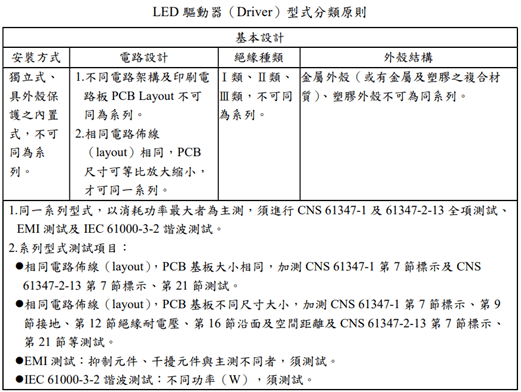
證書有效期限
The Bureau of Standards, Metrology and Inspection (BSMI), Ministry of Economic Affairs, Taiwan, officially announced on March 17, 2026 that LED Drivers will be included under mandatory inspection requirements.
According to the announcement, the regulation will be mandatory from January 1, 2027, and applications have been open since March 17, 2026.
Scope of Mandatory Products
Light Emitting Diode (LED) Controlgear (LED Drivers)
Applicable Standards
LED Driver products must comply with the following requirements:
Certification Requirements
Product Series Classification
Product series shall be determined based on design factors such as structure, circuitry, insulation class, and enclosure type, in accordance with BSMI requirements.
Certificate Validity
印度通訊部電信局下屬的國家通訊安全中心(National Centre for Communication Security, NCCS)於2026年3月11日正式發布通知,針對電信設備在申請 ITSAR(印度電信安全保證要求)安全認證前,強制規範裝置強化(Device Hardening)的相關程序與文件要求。
什麼是「裝置強化」?
裝置強化是指在設備接受正式安全測試之前,透過特定指令與設定,關閉不安全的通訊協定、弱加密算法或其他潛在漏洞,使設備達到最安全的運作狀態。此次新規的核心目的,是確保認證測試在設備最強安全狀態下進行,並提升測試結果的透明度與可追溯性。
重點要求
根據官方通知,所有 OEM 廠商、代理商、進口商及申請人必須遵守以下規定:
強化指南格式要求
NCCS 亦隨通知附上強化指南的範本格式(Annexure),要求文件封面須包含申請單位名稱與地址、產品名稱、型號、ITSAR 參考編號、品牌名稱及 TSTL 等資訊,並須依 ITSAR 條款逐一列出強化設定,例如停用不支援相互認證的管理協定(如僅允許 HTTPS with TLS 1.2、SNMP V3),以及禁用弱加密算法,改採 NIST 推薦標準(如 SHA、AES、RSA、Diffie-Hellman 等)。
官方法規來源: NCCS - Hardening of Devices for Security Certification(2026年3月11日)
India NCCS Issues Mandatory Device Hardening Requirements for ITSAR Security Certification
India's National Centre for Communication Security (NCCS), under the Department of Telecommunications (DoT), Ministry of Communications, has issued an official notification dated March 11, 2026 (File No. NCCS/SC/3-1/2025-26), establishing mandatory device hardening procedures for all equipment seeking security certification under the Indian Telecom Security Assurance Requirements (ITSAR) framework.
What is Device Hardening?
Device hardening refers to the process of securing a device prior to formal security testing by disabling insecure protocols, weak cryptographic algorithms, and other potential vulnerabilities through specific configuration commands. The new requirements ensure that ITSAR security evaluations are conducted on devices in their most secure operational state, while also improving the transparency and traceability of certification results.
Key Requirements
The notification sets out the following mandatory requirements for all OEMs, dealers, importers, applicants, and Telecom Security Testing Laboratories (TSTLs):
Hardening Guide Format
The notification includes an Annexure with a sample hardening guide format. The document must include product information (applicant name and address, product name, model number, ITSAR reference, brand name, and designated TSTL), a table of contents, and clause-by-clause hardening configurations. Examples provided in the Annexure include disabling management protocols that do not support mutual authentication (permitting only HTTPS with TLS 1.2 and SNMP V3), and disabling weaker cryptographic algorithms in favour of NIST-recommended standards such as SHA, AES, RSA, and Diffie-Hellman.
Official Source: NCCS - Hardening of Devices for Security Certification (March 11, 2026)
香港通訊事務管理局辦公室(Office of the Communications Authority, OFCA)於2026年3月正式發布兩項無線電設備技術規格的更新版本,分別為:
這是 HKCA 1049 自2005年首次發布後第一次大幅修訂,也是 HKCA 1078 自2017年首次發布後的首次更新
官方來源:
Hong Kong's Office of the Communications Authority (OFCA) has published updated technical specifications for radio equipment operating in the 865–868 MHz and 920–925 MHz frequency bands. Two specifications were revised simultaneously:
Both specifications are now listed under OFCA I 426 Edition 24 (March 2026). This marks the first revision of HKCA 1049 since its original release in 2005, and the first update to HKCA 1078 since its introduction in 2017.
Official Sources:
蒙古通訊監管委員會(Communications Regulatory Commission, CRC)依據第24號決議,正式實施《資訊與通訊技術設備認證法規》,對無線電及通訊設備的符合性評估程序進行全面更新,取代此前的 Resolution No. 29(2019年)框架。此次修訂的核心方向,是強化對人體健康、環境安全及無線電頻率頻譜有效管理的管制力度,並導入更嚴格的市場後監督機制。
適用範圍:強制與自願雙軌制
新規維持強制與自願符合性評估的雙軌制度。凡列於強制符合性保證產品清單中的設備,均須取得強制認證,方可進入蒙古市場。適用設備類型包括無線通訊設備、RF 射頻設備、IoT 裝置、行動終端及其他 ICT 相關產品。
技術要求:三大合規面向
所有設備必須嚴格符合蒙古國家無線電頻率分配表,並遵循以下三大面向的國際標準:射頻(RF)、電磁相容性(EMC),以及安全性(Safety)。蒙古的技術標準框架延續以歐盟標準(EN)為基礎的方向,與 Resolution No. 29 的一貫做法一致。
認證方案更新:有效期 3 至 4 年
此次修訂最重要的變化之一,是引入了多元化的認證方案。新框架設定了特定認證方案(1a、4、6 及 7),有效期依設備類別與來源地的不同,介於 3 至 4 年不等。相較於過去統一 3 年的有效期,新制更具彈性,製造商應確認其產品屬於哪一方案,以掌握正確的換證時程。
年度市場後監督
此次更新最值得廠商特別關注的新規定,是強制性年度稽核制度。已獲認證的產品須接受年度市場後監督稽核,從認證證書核發後一年起開始執行,以確保產品持續符合蒙古標準的要求。
Mongolia's Communications Regulatory Commission (CRC) has implemented a new regulation titled the "Regulation for Certification of Information and Communication Technology Equipment," approved under Resolution No. 24. This update supersedes the previous Resolution No. 29 framework established in 2019, introducing a more structured approach to conformity assessment for radio and ICT equipment sold in Mongolia, with a renewed focus on human health, environmental safety, and efficient radio frequency spectrum management.
Scope: Mandatory and Voluntary Dual-Track System
The regulation maintains a dual-track system for conformity assessment. Certification is required for all equipment identified in the official list of products subject to mandatory conformity assurance. Affected product categories include wireless communication devices, RF equipment, IoT devices, mobile terminals, and other ICT-related products.
Technical Requirements: Three Pillars of Compliance
Equipment must strictly adhere to the National Radio Frequency Allocation Table and comply with international standards across three key areas: Radio Frequency (RF), Electromagnetic Compatibility (EMC), and Safety. Mongolia's technical standards framework continues to be aligned with European Union (EN) standards, consistent with the approach established under Resolution No. 29.
Updated Certification Schemes: 3 to 4-Year Validity
One of the most notable structural changes is the introduction of diversified certification schemes. The new framework introduces specific certification schemes (1a, 4, 6, and 7), with validity periods lasting between 3 and 4 years depending on the equipment category and origin. Manufacturers should identify which scheme applies to their product category to accurately plan recertification timelines.
Annual Post-Market Surveillance: The Most Critical New Requirement
The most significant new obligation manufacturers should note is the introduction of mandatory annual audits. Certified products are now subject to annual post-market surveillance audits, beginning one year after the certificate's issuance, to ensure continued compliance with Mongolian standards.
中國質量認證中心(CQC)於 2026 年 2 月 4 日 發布《關於開展 CCC 試點產品追溯標誌工作的通知》,具體安排 CCC 標誌追溯二維碼的實施及線上申請服務。該公告旨在貫徹落實 《國家認監委關於充電寶等產品強制性產品認證標誌試點改革事項的公告(2025 第 27 號公告)》,並透過官方系統提供 QR 碼下載與標識申領功能。
公告重點整理如下:
1. 起始時間與系統開通
2. 印刷/模壓 CCC 標誌 QR 碼的獲取與使用
3. 技術要求與標注規範
4. 標準規格 CCC 標誌申領
官方公告: https://www.cqc.com.cn/www/col671/90419.html
On February 4, 2026, the China Quality Certification Centre (CQC) published a formal notice titled “Notice on Carrying Out CCC Pilot Product Traceability Mark Work” to implement traceability QR code requirements under the CNCA Announcement No.27 of 2025. The notice provides detailed instructions on how certified organizations can obtain and use CCC marks with traceability QR codes via CQC’s official online systems.
Key Points from the Official CQC Notice:
1. Commencement and System Launch
2. Obtaining and Using Printed/Molded CCC Mark QR Codes
3. Technical and Marking Requirements
4. Standard Specification CCC Mark Application
Official Announcement: https://www.cqc.com.cn/www/col671/90419.html
印尼 通訊與數位部(Kementerian Komunikasi dan Digital, Kominfo) 已於 2026年2月19日 通過其下屬單位 數位基礎設施總局(Directorate General of Digital Infrastructure, DJID) 正式發布《特定吸收率(SAR)技術標準草案》,擬修訂及取代目前適用的 2024年第177號部長令(Decree No.177 of 2024)。該草案目前已開放給產業界及利害關係者提供意見與回饋。
草案內容與官方公告重點:
The Ministry of Communication and Digital (Kominfo) of Indonesia officially released the Draft of Technical Standards for Specific Absorption Rate (SAR) on February 19, 2026 through its subordinate Directorate General of Digital Infrastructure (DJID). This draft aims to revise and replace the existing Decree No. 177 of 2024 concerning SAR limits for mobile phones and tablet computers. The draft is currently open for public consultation, inviting feedback from industry stakeholders.
Key Highlights of the Draft:
2026.04.17
巴基斯坦電信管理局(PTA)正式宣佈,已向國內三大行動網路營運商(CMO)—— Jazz、Ufone 及 Zong 授予「次世代行動服務」(NGMS/5G)執照。這標誌著巴基斯坦電信產業邁向數位現代化的重要里程碑。
PTA 表示,為了確保用戶在過渡初期的服務品質,各大營運商將採取「分階段」的方式在全國範圍內推出 5G 商用服務。為了提升消費者便利性,各大營運商將在官方網站發布最新清單,詳列 5G 訊號涵蓋範圍以及在巴基斯坦境內相容的 5G 手機型號。
目前,包括領先品牌在內的多款 5G 智慧型手機已可於涵蓋區域內接入 5G 網路。然而,服務的實際可用性仍取決於地理位置、網路整備度以及設備相容性。PTA 同時建議消費者將設備更新至最新作業系統版本並啟用 5G 設定,以獲得最佳性能體驗。
PTA 強調,官方致力於確保 5G 服務在全國範圍內平穩且透明地過渡,並期許這項新技術能帶動數位創新、支援科技創業,並提升全國的行動寬頻體驗。
The Pakistan Telecommunication Authority (PTA) has officially announced the granting of Next Generation Mobile Services (NGMS/5G) licenses to the country’s three major Cellular Mobile Operators (CMOs): Jazz, Ufone, and Zong. This development marks a significant milestone in modernizing Pakistan's telecommunications sector.
According to the PTA, to ensure a high-quality user experience during the initial transition, all CMOs will introduce 5G commercial services in a phased manner across the country. To facilitate consumer awareness, operators will publish updated lists on their official websites identifying specific areas where 5G services are available, along with details of compatible 5G-enabled mobile handset models.
At this stage, 5G-capable smartphone models from leading manufacturers will be able to access 5G services within the covered areas. However, service availability may vary depending on location, network readiness, and device compatibility. The PTA advises consumers to enable 5G settings and update their devices to the latest operating system version for optimal performance.
The PTA remains committed to ensuring a smooth and transparent nationwide transition to next-generation services, anticipating that the rollout of 5G will accelerate digital innovation, support tech startups, and enhance the mobile broadband experience for all citizens.
Official Announcement: https://www.pta.gov.pk/category/pta-granted-ngms-5g-licenses-to-cmos:-cmos-will-commence-phase-wise-5g-commercial-services-across-pakistan-40050183-2026-03-22
蒙古通訊監管機構(Communications Regulatory Commission of Mongolia)於近日發布更新之型式認證(Type Approval)規範。
本次修訂重點如下:
The Communications Regulatory Commission of Mongolia (CRC) issued the updated Type Approval regulation.
The key revisions are as follows:
肯亞通訊管理局(CA)近日發布了最新版《行動蜂窩設備技術規範》,並宣布自 2026 年 3 月 24 日起正式生效。此項法規更新旨在減少電子廢棄物、提升設備互通性,並確保所有在肯亞境內銷售的行動設備均符合國際安全標準。
新法規核心要求: 針對所有新申請型式認證(Type Approval)的行動設備(包括智慧型手機、平板電腦及功能型手機),必須符合以下關鍵規範:
過渡政策與影響範圍:
肯亞當局強調,此項新規具備不溯及既往原則。凡是在 2026 年 3 月 24 日之前已獲得型式認證的設備,將不受新規定影響,可繼續在市場上流通。新規僅適用於在生效日之後提交認證申請的新機型。
為避免型式認證申請遭拒,我們建議廠商在開發針對肯亞市場的新產品時,務必確保設計符合 USB Type-C 規範與相關安全標準。
The Communications Authority of Kenya (CAK) has officially implemented the updated "Technical Specifications for Mobile Cellular Devices," effective March 24, 2026. This regulatory shift is designed to minimize electronic waste, enhance device interoperability, and ensure all mobile hardware in the Kenyan market meets global safety benchmarks.
Key Mandatory Requirements:
All new applications for Type Approval of cellular devices (including smartphones, tablets, and feature phones) must now comply with the following:
Transition Policy & Scope:
The CA has clarified that these provisions are not retroactive. Devices (phones, tablets, etc.) that received Type Approval prior to March 24, 2026, are not affected and may continue to be sold. The new requirements apply exclusively to new models submitted for approval on or after the effective date.
To prevent delays or rejections during the approval process, we recommend that manufacturers ensure all upcoming product designs intended for the Kenyan market incorporate USB Type-C interfaces and comply with the latest technical specifications.
Official Announcement: https://www.ca.go.ke/sites/default/files/2026-03/Technical%20Specs%20for%20Mobile%20Cellular%20Devices%20.pdf
根據肯亞通訊管理局(CA)的最新審核要求,所有提交型式認證(Type Approval, TA)申請的設備均必須隨附實體樣品以供審核。此舉旨在嚴格執行 TA 申請表上的既有規範,確保產品合規性。
關鍵執行細節如下:
我們強烈建議廠商在規劃肯亞 TA 認證時,務必預先準備實體樣品。鑑於目前已無「無樣品審核」的作業彈性,樣品缺失將直接導致申請程序延遲或遭到拒絕。
In accordance with the latest requirements from the Communications Authority of Kenya (CA), all equipment submitted for Type Approval (TA) must be accompanied by a physical sample for verification. This measure aligns with the strict enforcement of existing provisions outlined in the TA application guidelines.
Key Implementation Details:
We strongly advise manufacturers to prepare physical samples well in advance when applying for Type Approval in Kenya. As there is no longer any operational flexibility for "sample-free" reviews, the absence of a sample will lead to immediate application delays or rejections.
Eswatini Communications Commission(ESCCOM)發布 General Notice No. 4/2026,並自 2026年4月13日 起,正式強制執行所有通訊與電子通訊設備於進口及上市前須取得型式認證(Type Approval)。
根據官方說明,本次公告並未變更既有型式認證制度或申請流程,而是針對現行法規的執法強化措施(enforcement initiative)。
1. 所有電子通訊設備均須事先取得型式認證
依據現行法規,所有電子通訊設備於進入 Eswatini 前,皆需完成型式認證。
2. 邊境管制與查驗機制強化
本次更新導入更嚴格的監管措施,包括:
• 強化海關查驗與監控
• 未取得認證產品將於入境時被攔查
未符合規定之產品可能面臨:
• 扣押或沒收
• 罰款
• 法律責任
企業應提前規劃型式認證時程,以確保順利出貨與市場進入。
官方公告連結: https://www.esccom.org.sz/publications/notices/docs/notice%204.pdf
The Eswatini Communications Commission (ESCCOM) has issued General Notice No. 4/2026 and, effective 13 April 2026, has officially enforced mandatory Type Approval for all telecommunications and electronic communications equipment prior to importation and market entry.
According to the authority, this Notice does not introduce any changes to the existing Type Approval framework or application procedures, but rather serves as an enforcement initiative of current legislation.
1. Mandatory Type Approval for All Electronic Communications Equipment
Under the existing regulations, all electronic communications equipment must obtain Type Approval before entering Eswatini.
2. Strengthened Border Control and Inspection Measures
Enhanced regulatory measures have been introduced, including:
• Increased customs inspection and surveillance
• Interception of non-approved equipment at the point of entry
Non-compliant products may be subject to:
• Detention or confiscation
• Financial penalties
• Legal liabilities
Companies are advised to plan Type Approval activities in advance to ensure smooth shipment and market access.
Official Announcement: https://www.esccom.org.sz/publications/notices/docs/notice%204.pdf
澳洲標準機構 Standards Australia 於 2026年3月6日 正式發布最新標準 AS/NZS 62368.1:2026 – Audio/video, information and communication technology equipment – Part 1: Safety requirements。
該標準已於發布後立即生效,並對應國際標準 IEC 62368-1:2023(第四版),適用於音視頻、資訊與通訊技術設備之安全要求。
1. 三年過渡期並行機制
新標準將與舊版 AS/NZS 62368.1:2022 並行運行三年過渡期:
2. 證書有效性維持不變
依據既有規範,使用 AS/NZS 62368.1:2022 核發之證書:
Standards Australia has officially published AS/NZS 62368.1:2026 – Audio/video, information and communication technology equipment – Part 1: Safety requirements on 6 March 2026.
The standard takes effect immediately and aligns with IEC 62368-1:2023 (Edition 4), covering safety requirements for audio/video and ICT equipment under a hazard-based safety engineering approach.
1. Three-Year Transition Period
AS/NZS 62368.1:2026 will operate in parallel with AS/NZS 62368.1:2022 during a transition period of approximately three years:
2. Validity of Existing Certificates
Certificates issued under AS/NZS 62368.1:2022 remain valid until their original expiry dates and are not affected by the publication of the new standard.
中國近期正式發布強制性國家標準 《行動電源安全技術規範》(GB 47372:2026),進一步提升行動電源產品的安全要求,並將對市場產生重大影響。
發布與實施時間
與既有標準的關係
新標準並非單獨適用,而是與既有強制性國家標準共同構成完整監管體系,包括:
此舉代表中國對行動電源的監管由「通用安全要求」升級為「產品專項強制標準」,強化整體安全管理。
新標準主要重點要求
1. 電池安全大幅升級
2. 新增機械與實際情境測試
模擬日常使用情境(如摔落、行李擠壓)
3. 壽命與老化安全管理
4. 智慧監控與保護機制
5. 材料與製造管控
6. 標示與可追溯性要求
必須標示:
強化產品可追溯性與消費者資訊透明度
此標準的實施將大幅提高行動電源產品的安全與合規門檻,並加速市場向高品質製造商集中。
GB 47372:2026標準: 国家标准 - 全国标准信息公共服务平台
China has recently officially released the mandatory national standard “Safety Technical Specification for Power Banks” (GB 47372:2026), aiming to further enhance the safety requirements for power bank products and significantly impact the market.
Release and Enforcement Timeline
Relationship with Existing Standards
The new standard does not apply independently but works in conjunction with existing mandatory national standards to form a comprehensive regulatory framework, including:
This development signifies a shift in China’s regulatory approach from general safety requirements to product-specific mandatory standards, thereby strengthening overall safety management.
Key Requirements of the New Standard
1. Significant Enhancement of Battery Safety
2. Additional Mechanical and Real-World Scenario Tests
Simulating real-life usage scenarios (e.g., drops and luggage compression)
3. Lifecycle and Aging Safety Management
4. Intelligent Monitoring and Protection Mechanisms
5. Material and Manufacturing Control
6. Labeling and Traceability Requirements
Products must be labeled with:
Enhancing product traceability and transparency for consumers
The implementation of this standard will significantly raise safety and compliance thresholds for power bank products and accelerate market consolidation toward higher-quality manufacturers.
GB 47372:2026 Standard: 国家标准 - 全国标准信息公共服务平台
印度標準局(Bureau of Indian Standards, BIS)近日發布《修訂版 IS 10322 系列LED燈具標準之實施指引》,針對LED燈具產品在BIS強制註冊制度(CRS)下的過渡安排與技術更新提出進一步要求。
本次文件主要說明LED燈具產品需在規定期限內完成標準切換,以確保符合最新IS 10322系列要求。
主要時間安排
自該日期起,未符合修訂版IS 10322標準之產品將不再被接受
適用產品範圍
本次修訂適用於所有納入BIS CRS之LED燈具,包括:
技術標準更新
修訂版IS 10322包含多項技術性調整,主要涉及LED燈具的安全性、性能與可靠性提升,相關細節載於BIS公告附錄。
既有證書要求
新申請與過渡安排
本次BIS更新代表印度LED燈具CRS制度進一步升級,並將於2026年8月2日起全面切換至修訂版IS 10322標準,對既有與新申請產品均產生重要合規影響。
Guidelines for Implementation of Revised Standards for LED Luminaires
India BIS Releases Implementation Guidelines for Revised IS 10322 LED Luminaires Standard
The Bureau of Indian Standards (BIS) has recently issued the Implementation Guidelines for the revised IS 10322 series for LED luminaires, providing updated transition arrangements and technical requirements under the BIS Compulsory Registration Scheme (CRS).
The document outlines the requirement for LED luminaire products to complete the transition to the revised standard within the stipulated timeline to ensure compliance with the latest IS 10322 series requirements.
Key Timeline
After this date, products that do not comply with the revised IS 10322 standard will no longer be accepted.
Scope of Application
The revised standard applies to all LED luminaires covered under the BIS CRS, including:
Technical Standard Updates
The revised IS 10322 includes multiple technical modifications, primarily aimed at enhancing the safety, performance, and reliability of LED luminaires. Detailed requirements are provided in the BIS official annexure.
Requirements for Existing Certificates
Transition Arrangements for New and Ongoing Applications
This update represents a further enhancement of India’s BIS CRS framework for LED luminaires. The mandatory transition to the revised IS 10322 standard will take effect from 02 August 2026, significantly impacting both existing certifications and new applications.
Guidelines for Implementation of Revised Standards for LED Luminaires
韓國產業通商資源部 (MOTIE) 於2026年4月1日正式頒佈並實施《電氣用品及生活用品安全管理法施行規則》修訂案。此次修訂旨在因應技術發展趨勢並減輕企業負擔,調整了部分電氣產品的安全管理等級。
根據新規定,以下五類產品從原先的「安全認證(需工廠審查)」降級為「安全確認(僅需產品檢測)」:
過渡條款:
On April 1, 2026, the South Korean Ministry of Trade, Industry, and Energy (MOTIE) promulgated a partial amendment to the Enforcement Rules of the Electrical Appliances and Consumer Products Safety Control Act. This amendment reflects recent technological advancements and aims to optimize the safety management system for electrical products.
The key change is the reclassification of several high-volume consumer electronics from the "Safety Certification" category (which requires factory audits) to the "Safety Confirmation" category (which requires product testing and notification only). The designated products include:
Transitional Measures:
Effective Date: The decree entered into force immediately upon its publication on April 1, 2026.
2026.05.12
印尼通訊與數位部(Kementerian Komunikasi dan Digital, KOMDIGI)於2026年4月22日正式發布第197號部長令(Decree No.197/2026),針對行動電話與平板電腦之比吸收率(Specific Absorption Rate, SAR)限制提出最新規範,並取代2024年發布之第177號法規。
本法規適用於於人體20公分內使用、且發射功率超過20 mW之裝置,明確規範頭部、身體及四肢之SAR限值,並參考國際ICNIRP 1998及2020標準,以確保電磁波暴露安全與國際接軌。
在測試與認證方面,製造商需依據IEC/IEEE 62209-1528、EN 50360及EN 50566等國際標準進行SAR測試。此外,對於不具備貼耳通話功能之平板裝置,可申請頭部SAR測試豁免。
考量印尼本地測試能量,法規設有過渡期至2027年7月31日,在此期間內可先提交實驗室測試排程證明文件,此日期之後,完整的SAR測試報告將成為認證的必要條件。
官方法規文件:KOMDIGI Decree No.197/2026 Official PDF
The Ministry of Communication and Digital Affairs (KOMDIGI) of Indonesia officially issued Ministerial Decree No. 197/2026 on April 22, 2026, establishing updated Specific Absorption Rate (SAR) limits for mobile phones and tablet computers. This regulation replaces the previous Decree No. 177/2024.
The regulation applies to devices used within 20 cm of the human body and with a radiated transmit power exceeding 20 mW. It defines SAR exposure limits for the head, body, and limbs, aligned with international ICNIRP 1998 and 2020 guidelines to ensure user safety and global harmonization.
For compliance, manufacturers must conduct SAR testing according to recognized international standards, including IEC/IEEE 62209-1528, EN 50360, and EN 50566. Tablet devices without “next-to-ear” voice call capability may be exempt from head SAR testing, subject to proper technical justification.
A transition period is granted until July 31, 2027, allowing applicants to submit proof of scheduled testing from domestic laboratories. After this date, full SAR test reports will be mandatory for certification.
Official Regulation: KOMDIGI Decree No.197/2026 Official PDF
肯亞通訊管理局(Communications Authority of Kenya, CAK)近期更新其無線設備監管執行要求,正式將運作於2.4 GHz及5 GHz頻段之短距離無線設備(SRD)及無線區域網路(WLAN)產品納入強制型式認證(Type Approval)管制範圍。
本次納入管制之產品類別包括但不限於:
在實務執行上,未取得型式認證之產品可能面臨海關扣留、拒絕進口或市場執法措施,並可能導致產品下架、罰款及商業合約風險。此外,未合規產品亦可能影響專案導入時程及整體供應鏈規劃。相關業者應儘早確認產品合規狀態,並於出貨前完成型式認證,以確保市場進入順利。
The Communications Authority of Kenya (CAK) has updated its regulatory enforcement framework, formally expanding the scope of mandatory Type Approval requirements to include Short Range Devices (SRDs) and Wireless Local Area Network (WLAN) products operating in the 2.4 GHz and 5 GHz frequency bands.
The affected product categories include, but are not limited to:
In practice, non-approved devices may be subject to customs detention, import rejection, or regulatory enforcement actions, potentially resulting in product withdrawal, penalties, and contractual risks. Non-compliance may also affect project timelines and supply chain planning. Manufacturers and importers are advised to ensure compliance and obtain Type Approval prior to shipment to avoid market access disruptions.
柬埔寨郵電部(MPTC)與柬埔寨電信監管機構(TRC)近期發布電信設備型式認證與技術標準草案,並同步啟動公開諮詢程序。此舉標誌柬埔寨電信設備合規制度正邁向更完整且制度化的監管架構,預期將對相關產業帶來深遠影響。
法規重點
1. 導入風險分級制度(Type A / B / C)
新制度依設備風險程度進行分類管理:
例如:RFID、WLAN、Bluetooth 設備
→ 採簡化註冊程序,無須提交測試報告
例如:Ethernet Switch、Media Gateway
→ 需提交測試報告進行審查
例如:2G / 3G / LTE / 5G 行動終端設備
→ 需提交測試報告及更完整的技術文件審查
2. 導入產品標示要求
所有取得核准的產品須符合標示規定,包括:
標示方式可採:
3. 證書有效期限
型式認證證書自簽發日起有效期限為五年
4. 過渡期安排
對於既有已取得認證之產品:原證書持有人須於新法規生效後五年內,向柬埔寨電信監管機構重新申請新的型式認證證書,以符合新制度要求。
建議企業及早評估產品分類、文件準備及在地代理安排,以確保未來市場准入順利。
The Ministry of Post and Telecommunications (MPTC) and the Telecommunication Regulator of Cambodia (TRC) have recently released draft regulations on telecommunications equipment type approval and technical standards, accompanied by a public consultation process. This initiative marks a significant step toward a more structured and comprehensive regulatory framework in Cambodia.
Key Highlights
1. Introduction of Risk-Based Classification (Type A / B / C)
The proposed framework categorizes telecom equipment based on risk levels:
Examples: RFID, WLAN, Bluetooth devices
→ Simplified registration with no test reports required
Examples: Ethernet switches, media gateways
→ Requires submission of test reports for review
Examples: 2G / 3G / LTE / 5G cellular mobile terminals
→ Requires test reports and comprehensive technical documentation
2. Mandatory Labeling Requirements
All approved products must comply with labeling requirements, including:
Labeling may be applied via:
3. Certificate Validity
Type approval certificates will be valid for five (5) years from the date of issuance
4. Transition Period
For products already certified under existing regulations:
Certificate holders must re-apply for new type approval within five (5) years after the new regulation takes effect, in accordance with TRC requirements.
Companies are advised to proactively assess product classification, prepare technical documentation, and appoint local representatives to ensure smooth market access under the new regime.
2026年4月30日,中國國家發展和改革委員會(NDRC)與國家市場監督管理總局(SAMR)聯合發布公告,正式採納《能源效率標識產品目錄(2026年版)》及其配套實施規則。該公告依據《能源效率標識管理辦法》(NDRC及原AQSIQ第35號令,2016年)制定,並同步更新產品目錄及修訂相關實施細則與過渡安排。
一、適用產品範圍更新
2026年版目錄共納入37類產品需實施能源效率標識管理,包括但不限於:
二、實施規則修訂
本次共7類產品的能效標識實施規則進行修訂,包括:
三、實施時間與過渡安排
新規則將於以下時間分階段生效,並提供庫存過渡期(最長至2028–2029年):
四、舊版規則廢止
公告同時廢止多項既有標準,包括2016年及2020年發布之相關能效標識規則,以及部分通風設備相關規則。
五、有效期
上述新實施規則有效期為5年,依產品不同至2031–2032年不等。
本公告自2026年4月30日發布之日起立即生效。
官方公告連結:https://www.ndrc.gov.cn/xxgk/zcfb/ghxwj/202604/t20260430_1404998.html
On 30 April 2026, China’s National Development and Reform Commission (NDRC) and State Administration for Market Regulation (SAMR) jointly issued an announcement adopting the Catalogue of Products Subject to Energy Efficiency Labelling (2026 Edition) together with updated implementation rules.
The announcement is issued in accordance with the Administrative Measures for Energy Efficiency Labelling (NDRC and former AQSIQ Order No. 35 of 2016). It updates the product scope and revises implementation rules, including transitional arrangements for existing stock.
1. Expanded Product Scope
The 2026 catalogue covers a total of 37 product categories subject to mandatory energy efficiency labelling, including:
2. Revised Implementation Rules
The implementation rules have been revised for seven product categories, including:
3. Effective Dates and Transition Periods
The new rules will take effect in phases, with transition periods for existing stock (up to 2028–2029 depending on product category):
4. Repeal of Previous Regulations
The announcement repeals multiple earlier rules issued in 2016 and 2020, including those related to solar water heaters, projectors, refrigerators, washing machines, LED lighting, and ventilation fans.
5. Validity Period
The updated implementation rules are valid for five years, expiring between 2031 and 2032 depending on product category.
This announcement took immediate effect upon publication on 30 April 2026.
Official announcement: https://www.ndrc.gov.cn/xxgk/zcfb/ghxwj/202604/t20260430_1404998.html
2026年4月9日,越南科技部(BKHCN)正式發布第14/2026/TT-BKHCN號通知,建立全新的產品符合性聲明與技術規範符合性管理框架,並將於2026年5月25日正式生效。
該法規將全面取代原有相關規定(如Circular 28/2012/TT-BKHCN等),標誌越南產品合規制度進一步數位化與系統化升級。
主要變更重點
1. 雙軌制度明確區分
新框架清楚區分兩類合規制度:
2. 八種符合性評估方法正式制度化
新規範正式明確八種評估方式,涵蓋:
不同方法將依產品風險等級適用
3. 數位化申報成為強制方向
所有符合性聲明須透過國家標準、計量與品質資料庫(National Database)提交,並取得電子確認碼作為合規證明。
4. 符合性標誌與標示要求更新
5. 認證有效期與監管優化
6. 生效時間
Vietnam Issues New Conformity Declaration Framework (Circular 14/2026/TT-BKHCN)
On 9 April 2026, Vietnam’s Ministry of Science and Technology (BKHCN) issued Circular No. 14/2026/TT-BKHCN, establishing a new regulatory framework for product conformity declaration and technical regulation compliance. The Circular will officially take effect on 25 May 2026.
This regulation replaces previous conformity assessment regulations, marking a significant modernization and digital transformation of Vietnam’s product compliance system.
Key Updates
1. Clear Separation of Voluntary and Mandatory Declarations
The new framework distinguishes between:
2. Eight Formal Conformity Assessment Methods
The Circular officially defines eight assessment methods, including:
Selection depends on product risk classification.
3. Mandatory Digital Submission
All conformity declarations must be submitted via the National Database on Standards, Metrology and Quality, generating an electronic confirmation code as proof of compliance.
4. Updated Conformity Marking Requirements
5. Extended Certificate Validity and Risk-Based Oversight
6. Effective Date
印度電信部(Department of Telecommunications, DoT)轄下的無線規劃與協調局(WPC Wing)於 2026 年 4 月 2 日宣布,針對已在開放 6 GHz 頻段(5925–6425 MHz)前取得認證的短距離設備(Short Range Devices, SRD),其重新認證(recertification)期限已延長至 2026 年 7 月 6 日。
此措施適用於所有已取得 Equipment Type Approval(ETA),但尚未涵蓋 6 GHz 頻段的 Wi-Fi 設備。
轉換與合規要求
製造商與進口商需依以下流程完成過渡:
申請人需取消既有 ETA,並重新申請新的 ETA,且須明確涵蓋 5925–6425 MHz 頻段。
申請人須透過電子郵件通知 WPC,提供舊與新 ETA 編號。
原規定須於 30 天內完成(約 2026 年 4 月初前),現已延長至 2026 年 7 月 6 日。
已繳納之 ETA 費用不予退還。
在取得新的 ETA 證書前,不得啟用或銷售支援 6 GHz(5925–6425 MHz)的功能。
未經授權使用將構成違規,可能導致認證被撤銷及其他處罰。
此次延期為業者提供更充裕的調整時間,但同時也強調印度對 6 GHz 頻段合規管理的嚴格要求。
企業應儘速檢視既有產品認證狀態,以避免市場銷售或出貨受阻。
官方公告連結:8cc6576b-a74a-406a-9610-a2c6c37a9924
On 2 April 2026, the Wireless Planning & Coordination (WPC) Wing under the Department of Telecommunications (DoT), India, announced an extension of the deadline for recertification of short-range devices (SRDs) that were certified prior to the opening of the lower 6 GHz band (5925–6425 MHz) for unlicensed use.
The new deadline has been extended to 6 July 2026.
This requirement applies to all Wi-Fi devices holding existing Equipment Type Approval (ETA) that do not yet include the 6 GHz band.
Transition & Compliance Requirements
Manufacturers and importers are required to follow the transition process below:
Applicants must cancel their existing ETA and apply for a new ETA explicitly covering the 5925–6425 MHz band.
Applicants must notify the WPC Wing via email, providing both old and new ETA numbers.
The original compliance deadline (within 30 days, early April 2026) has now been extended to 6 July 2026.
Fees paid for the original ETA are non-refundable.
The 5925–6425 MHz band must not be activated or marketed before the new ETA is granted.
Unauthorized use will be considered a statutory violation and may result in enforcement actions, including cancellation of approval.
While the extension provides additional time for industry stakeholders, it also reinforces India’s strict regulatory control over the 6 GHz band.
Companies are advised to review their certification status promptly to avoid potential disruptions in market access.
Official announcement: 8cc6576b-a74a-406a-9610-a2c6c37a9924
2026.06.23
模里西斯資訊與通訊科技管理局(Information and Communication Technologies Authority, ICTA)於 2026 年 5 月 28 日正式發布公告,宣布將逐步淘汰全國 3G 行動通訊服務。
官方公告指出,當地電信營運商已開始進行 3G 網路退場作業,並預計於 2028 年前全面停止提供 3G 行動服務。
ICTA 同時呼籲市場停止進口及使用僅支援 3G 的設備,並建議消費者與企業用戶儘早轉換至支援 4G LTE 或 5G 等新一代通訊技術的產品,以確保持續的網路連線與服務可用性。
官方公告連結:https://www.icta.mu/documents/2026/05/communique_sunsetting28May.pdf
The Information and Communication Technologies Authority (ICTA) of Mauritius officially issued a communiqué on May 28, 2026, announcing the gradual phase-out of 3G mobile services nationwide.
According to the official notice, local mobile network operators have already begun decommissioning their 3G networks, with full discontinuation of 3G services expected by 2028.
ICTA also urges stakeholders to discontinue the importation and use of devices that support only 3G connectivity. Consumers and businesses are strongly encouraged to adopt devices compatible with newer technologies such as 4G LTE and 5G to ensure continued service availability.
Official Annoucement: https://www.icta.mu/documents/2026/05/communique_sunsetting28May.pdf
印度電子和資訊技術部(MeitY)於 2026 年 5 月 5 日在印度官方公報上正式發布了第 S.O. 2204(E) 號法令,對《2021年電子和資訊技術產品(強制註冊要求)法令》(CRO, 2021)進行了重要修訂。
本次修訂的核心在於正式將「獨立硬碟(Standalone Hard Disk Drives, HDDs)」納入強制註冊計畫(Compulsory Registration Scheme, CRS)的管轄範圍,要求此類產品必須符合印度的技術與安全標準。
The Ministry of Electronics and Information Technology (MeitY) of India officially published Order No. S.O. 2204(E) in the Gazette of India on May 5, 2026, introducing a significant amendment to the “Electronics and Information Technology Goods (Requirements for Compulsory Registration) Order, 2021” (CRO, 2021).
The core of this amendment lies in the official inclusion of "Standalone Hard Disk Drives (HDDs)" under the purview of the Compulsory Registration Scheme (CRS), requiring such products to comply with India's technical and safety standards.
Official Annoucement: https://www.crsbis.in/BIS/app_srv/tdc/gl/docs/Gazette_Notification_Standalone_Hard_Disk_Drives_HDDs.pdf
印度電子與資訊科技部(MeitY)已於 2026 年 5 月 20 日正式發布了針對 IS/IEC 62368-1:2023 安全標準的最新系列型號劃分指引(Series Guidelines)。隨著印度 BIS 認證逐步將原有的資訊類標準(IS 13252)與影音類標準(IS 616)遷移整合至新的國際化安全標準,本次發布的指引將作為未來產品合併申請 BIS 證書的關鍵法規依據。
核心變更摘要如下:
新指引即日起已正式生效並全面影響新的申請案件,建議廠商在規劃銷往印度之新產品、或是進行既有證書標準轉換時,務必重新評估產品的系列劃分,以避免因新要求須拆分型號而延誤上市排程。
官方公告連結:https://www.meity.gov.in/static/uploads/2026/05/39903ecbb6b343a149c2724e262ccf7b.pdf
The Ministry of Electronics and Information Technology (MeitY) of India officially released the updated "Series Guidelines for products falling under IS/IEC 62368-1:2023" on May 20, 2026. As India's BIS certification continues its phased transition from legacy IT equipment standards (IS 13252) and Audio/Video standards (IS 616) to the new international safety standard, this newly issued guideline serves as the definitive regulatory basis for grouping product models in future BIS certificate applications.
Key Summary of the Core Changes:
These new guidelines are effective immediately and fully apply to all new applications. We strongly advise manufacturers to re-evaluate their product series grouping strategies when planning new product launches for the Indian market or converting existing certificates to the new standard. This proactive step will help prevent any time-to-market delays caused by the mandatory model splitting required under the new regulations.
Official Annoucement: https://www.meity.gov.in/static/uploads/2026/05/39903ecbb6b343a149c2724e262ccf7b.pdf
印度標準局(Bureau of Indian Standards, BIS)發布官方公告,說明依據《BIS (合格評鑑) 法規》修訂條款,針對強制註冊計畫(Compulsory Registration Scheme, CRS / Scheme-II)之許可證(Licence)有效期限及費用支付方式進行調整。
公告主要內容:
1. 許可證有效期限之變更:
2. 費用繳納與生產數據提報要求:
根據公告說明,若未在規定截止日前繳納年度費用並提報生產數據,官方將依據《BIS (合格評鑑) 法規》之規定,對該許可證採取相應的行政處理,其可能包含暫停(Suspension)、延期審查(Deferment)、撤銷(Cancellation)或宣告失效(Expiry)。
官方公告連結: https://www.crsbis.in/BIS/app_srv/tdc/gl/docs/crs_5_year_validity_news.pdf
The Bureau of Indian Standards (BIS) has published an official announcement regarding the revision of provisions governing licence validity and fee payment structures under the Compulsory Registration Scheme (CRS / Scheme-II), pursuant to the recent amendments to the BIS (Conformity Assessment) Regulations.
Key Provisions of the Announcement:
1. Amendments to Licence Validity Periods:
2. Annual Fee Payments and Production Data Disclosures:
According to the official text, if the annual fee and corresponding production details are not received by the established deadline, relevant regulatory provisions under the BIS (Conformity Assessment) Regulations will be invoked. This may result in administrative actions against the licence, which can include suspension, deferment, cancellation, or expiry.
Official Regulatory Link: https://www.crsbis.in/BIS/app_srv/tdc/gl/docs/crs_5_year_validity_news.pdf
印度通訊部(DoT)已於 2026 年 6 月 10 日在官方公報正式發布 G.S.R. 466(E) 公告,頒布《2026 年 5.9 GHz 頻段車載單元蜂巢式車聯網通信(免除許可要求)規則》。這項全新新政旨在加速印度智慧交通系統(ITS)的部署,為銷往印度市場的車聯網(C-V2X)相關設備製造商帶來重大法規利多。
本次公告的核心要點摘要如下:
此項新制即日起生效,大幅簡化了 C-V2X 產品進入印度市場的後續合規程序。
官方公告連結:https://www.dot.gov.in/static/uploads/2026/06/e57098ec9d7015e859c1b98d6e3fadad.pdf
The Ministry of Communications (Department of Telecommunications - DoT) of India officially published the Gazette Notification G.S.R. 466(E) on June 10, 2026, introducing the "Use of On Board Unit for Cellular Vehicle-to-Everything Communication in the 5.9 GHz band (Exemption from Licensing Requirements) Rules, 2026". This milestone reform is designed to accelerate the deployment of Intelligent Transport Systems (ITS) and offers significant regulatory relief for C-V2X equipment manufacturers targeting the Indian market.
Key Summary of the Core Requirements:
These rules take effect immediately, substantially improving the ease of doing business for C-V2X and automotive IoT ecosystem players in India.
Official announcement: https://www.dot.gov.in/static/uploads/2026/06/e57098ec9d7015e859c1b98d6e3fadad.pdf
馬來西亞通訊及多媒體委員會(MCMC)已正式發布新版短距離設備(Short Range Devices, SRD)技術規範 MCMC MTSFB TC T007:2026(第三版),全面取代舊版的 T007:2020。與此同時,MCMC 亦發布了全新獨立的通訊設備通用基礎要求文件 MCMC MTSFB TC T022:2026(Baseline Requirements)。
核心規範變更內容:
1. 法規架構重大調整(架構移轉): 原本包含於 SRD 技術規範(T007)中的安規(Safety)、電磁相容(EMC)、產品標籤(Marking)與電源要求(Power Supply)等基礎資訊,自本版起已全數移出,並整合至新發布的獨立通用基礎要求文件 MCMC MTSFB TC T022:2026。未來的 T007 技術規範將專注於無線射頻(RF)與頻譜技術要求。
2. 頻譜與技術規格更新:
3. RFID 與 UWB 應用操作範圍調整:
上述新技術規範已全面影響馬來西亞通訊設備的型式認證與審查流程。
The Malaysian Communications and Multimedia Commission (MCMC) has officially published the updated Technical Code for Short Range Devices (SRD) — MCMC MTSFB TC T007:2026 (Third Edition), which supersedes the legacy T007:2020 standard. Concurrently, MCMC has introduced a new, standalone technical code for general baseline mandates — MCMC MTSFB TC T022:2026 (Communications Equipment – Baseline Requirements).
Core Technical & Regulatory Changes:
1. Structural Realignment of Regulatory Mandates: The baseline requirements previously embedded within the SRD technical code (T007)—including Safety, Electromagnetic Compatibility (EMC), Marking, and Power Supply requirements—have been completely migrated. These mandates are now governed under the newly independent framework document: MCMC MTSFB TC T022:2026. Moving forward, the T007 document will focus exclusively on Radio Frequency (RF) and spectrum technical specifications.
2. Spectrum Allocations & Technical Standard Updates:
3. RFID & UWB Allocations and Operational Scope Adjustments:
These newly enacted Technical Codes apply immediately to the evaluation and type approval processes for communications equipment in Malaysia.
Official Regulatory Link: https://www.mcmc.gov.my/skmmgovmy/media/General/MCMC-MTSFB-TC-T007-Short-Range-Devices-Specifications-Third-Revision-1.pdf
智利政府已於官方公報正式刊登 第 21.695 號法令(Ley Nº 21.695),旨在確立行動裝置充電器的互通性標準。根據智利經濟部與國家消費者服務局(SERNAC)公告的執行架構,此法規要求未來在智利販售的行動裝置必須統一充電介面,並落實相關標示義務。
核心規範內容:
管制產品與分階段實施時程: 法令自官方公報公布起,依據產品類別給予不同的緩衝期:
根據官方說明,此項新規定僅適用於法規生效後新上市的產品。新法並不會影響消費者目前已經購買並在使用中的現有設備,同時也不會影響廠商與零售商繼續銷售市場上現有庫存充電器的可能性。
官方公告連結:https://www.bcn.cl/leychile/navegar?idNorma=1224049
The Government of Chile has officially published Law No. 21.695 (Ley Nº 21.695) in the Official Gazette, establishing interoperability standards for mobile device chargers. According to the implementation guidelines released by the Ministry of Economy and the National Consumer Service (SERNAC), the regulation mandates a standardized charging interface for mobile devices and establishes strict labeling obligations.
Core Requirements:
Regulated Scope & Phased Implementation Timeline: Following its publication in the Official Gazette, the law provides distinct transition periods based on product categories:
According to official guidance, these new mandates apply exclusively to newly launched products entering the market after the effective dates. The regulation will not affect devices that consumers have already purchased and are currently using, nor will it restrict the ability of manufacturers and retailers to continue selling existing stock or inventories of legacy chargers currently in the market.
Official announcement: https://www.bcn.cl/leychile/navegar?idNorma=1224049
2026年6月10日,巴西國家環境委員會(CONAMA)第150次例行會議通過首部電氣電子設備有害物質限制決議,標誌巴西正式建立其電子電氣設備(EEE)RoHS類監管框架。該決議目前正準備刊登於《官方公報》(Diário Oficial)。
適用範圍
該決議適用於在巴西市場銷售之電氣與電子設備,包括線材、電纜及備品零件。
電池與蓄電池明確不在適用範圍內。
有害物質限制
| 實施階段 (自發表/生效日起算) | 受限物質名稱 | 最高濃度限值 (按均質材料重量計) |
| 法案正式生效即時 | 多溴聯苯 (PBB)、多溴二苯醚 (PBDE) | 0.1% |
| 生效後 180 天 | 汞 (Mercury, Hg) | 0.1% |
| 發表後 3 年 | 鎘 (Cadmium, Cd) ; 六價鉻 (Cr-VI)、鉛 (Lead, Pb) |
0.01% (Cd) ; 0.1% (Cr-VI, Pb) |
| 發表後 4 年 | 鄰苯二甲酸二(2-乙基己基)酯 (DEHP)、鄰苯二甲酸丁苄酯 (BBP)、鄰苯二甲酸二丁酯 (DBP)、鄰苯二甲酸二異丁酯 (DIBP) | 0.1% 每項 |
國家登錄與符合性聲明
環境與氣候變化部將建立「電子電氣設備有害物質限制國家登錄系統」。
每項設備、型號或產品系列均需於系統中個別登錄,並生成對應的符合性自我聲明(self-declaration of conformity),該聲明將與製造商或進口商關聯。
符合性聲明需依規定提供相關資訊,並應可透過產品包裝、線上系統或QR Code等導向工具取得。
標示與追溯性
產品需提供葡萄牙語資訊以確保識別與追溯,包括:
上述資訊可透過替代方式(如QR Code導向工具)提供。
受逆向物流制度管制之電子設備,需標示相應回收標誌,除非其他法規另有規定。
實施安排
環境與氣候變化部將於決議公布後180天內發布以下內容:
本決議未涵蓋在正式生效日前已投放市場之產品、線材、電纜或維修零件。
On 10 June 2026, during the 150th Ordinary Meeting of the Brazilian National Environment Council (CONAMA), Brazil approved its first resolution restricting hazardous substances in electrical and electronic equipment (EEE). This marks the establishment of Brazil’s RoHS-type regulatory framework for EEE. The resolution is currently being prepared for publication in the Official Gazette (Diário Oficial).
Scope
This resolution applies to electrical and electronic equipment placed on the Brazilian market, including wires, cables, and spare parts.
Batteries and accumulators are explicitly excluded from the scope.
Hazardous Substance Restrictions
| Implementation Phase | Restricted Substances | Maximum Concentration Limit (by homogeneous material weight) |
| Upon entry into force | Polybrominated biphenyls (PBB), Polybrominated diphenyl ethers (PBDE) | 0.1% |
| 180 days after entry into force | Mercury (Hg) | 0.1% |
| 3 years after publication | 鎘 (Cadmium, Cd) ; 六價鉻 (Cr-VI)、鉛 (Lead, Pb) |
0.01% (Cd) ; 0.1% (Cr-VI, Pb) |
| 4 years after publication | DEHP, BBP, DBP, DIBP | 0.1% each |
National Registry & Conformity Declaration
The Ministry of Environment and Climate Change will establish a National Registry System for electrical and electronic equipment subject to hazardous substance restrictions.
Each equipment, model, or product family must be individually registered in the system, generating a corresponding self-declaration of conformity linked to the manufacturer or importer.
The conformity declaration must include the required information and be made available through product packaging, online systems, or QR code-based redirect tools.
Labelling & Traceability
Products must provide Portuguese-language information to ensure identification and traceability, including:
This information may be provided via alternative methods such as QR code-based redirect tools.
Electrical and electronic equipment subject to reverse logistics requirements must bear appropriate recycling symbols unless otherwise specified in other applicable regulations.
Implementation Arrangements
Within 180 days after publication of the resolution, the Ministry of Environment and Climate Change will issue:
This resolution does not apply to products, wires, cables, or spare parts placed on the market before the applicable effective dates.
中國國家認證認可監督管理委員會(國家認監委,CNCA)於2026年5月31日正式發布2026年第7號公告,修訂《強制性產品認證實施規則 移動電源、鋰離子電池和電池組(試行)》(編號:CNCA-C09-02:2025)。此舉旨在確保便攜式移動電源(行動電源)及相關產品強制性產品認證(CCC認證)工作平穩、有序地推進。
本次修正與實施要點如下:
公告內容: 国家认监委2026年第7号公告《国家认监委关于增加移动电源等强制性产品认证依据标准并发布新版实施规则的公告》
On May 31, 2026, the Certification and Accreditation Administration of China (CNCA) officially published an amendment to the “Implementation Rules for Compulsory Product Certification: Mobile Power Banks, Lithium-ion Batteries and Battery Packs (Trial)” (CNCA-C09-02:2025). This revision is established to guarantee the systematic and orderly implementation of China Compulsory Certification (CCC certification) for portable power banks and equivalent electronic products.
To ensure a seamless transition, the following regulatory amendments have been implemented:
The official Annex attached to CNCA Announcement No. 7 of 2026 contains the “Description of CCC Certification Catalogue” and the comprehensive “List of Standards for Power Banks, etc.” for market reference.
Official announcement: 国家认监委2026年第7号公告《国家认监委关于增加移动电源等强制性产品认证依据标准并发布新版实施规则的公告》
2026.07.24
東加王國(Kingdom of Tonga)於 2026 年 7 月初宣布正式成立東加通訊委員會(Communications Commission Tonga, CCT),並自 2026 年 7 月 1 日起,全面接管原由資訊與通訊部(MIC / MEIDECC)負責的電信監管、無線電頻譜分配及設備型式認證(Type Approval)職權。
此次機構轉型旨在建立獨立且專責的監管體系,以提升通訊市場的透明度與競爭力。對於資通訊設備製造商及進口商,請注意以下合規重點:
The Kingdom of Tonga has officially established the Communications Commission Tonga (CCT), which took over as the independent national telecommunications authority effective July 1, 2026. CCT replaces the Ministry of Information and Communications (MIC) in overseeing sector regulation, radio spectrum management, and equipment Type Approval.
This institutional reform centralizes regulatory oversight under a dedicated, autonomous body to promote transparency and infrastructure development. Key compliance takeaways for manufacturers and stakeholders include:
巴西國家電信局(ANATEL, Agência Nacional de Telecomunicações)於近期發布第 26 號公眾諮詢(Public Consultation No. 26),針對行動電話、鋰電池及手機充電器之 ANATEL 認證識別(Identification of ANATEL Homologation)機制提出修訂草案,旨在強化已認證產品的可追溯性,並降低未經核准或假冒產品於市場流通的風險。
本次提案主要方向為提升現行 ANATEL 認證標識管理方式,未來可能導入更強化的產品識別與驗證機制,包括安全識別特徵、標識格式規範,以及數位化管理程序等要求,以協助主管機關及市場相關單位確認產品認證狀態。
目前草案尚未公布最終技術細節,包含識別標籤形式、是否採用單一產品識別碼、數位驗證方式,以及相關實施流程等,將於後續法規文件中進一步明確。
本次公眾諮詢意見徵集期間至 2026 年 8 月 26 日止。相關產品製造商、進口商及供應鏈業者建議持續關注後續法規發展,並提前評估未來可能對產品標識、包裝流程及供應鏈管理所帶來的影響。
Brazil’s National Telecommunications Agency (ANATEL – Agência Nacional de Telecomunicações) has launched Public Consultation No. 26 regarding a proposed update to the Identification of ANATEL Homologation requirements for mobile phones, lithium batteries, and mobile phone chargers.
The proposal aims to strengthen the traceability of approved products and enhance market surveillance by improving the identification mechanism for ANATEL-certified products, helping to prevent the circulation of counterfeit or non-approved products in the Brazilian market.
The draft introduces the concept of enhanced identification and verification mechanisms, which may include security features, identification marking requirements, and digital management procedures. These measures are intended to facilitate the verification of product homologation status by authorities and market stakeholders.
At this stage, the detailed technical requirements have not yet been finalized. Further information regarding the identification format, potential use of individual product identification codes, digital verification methods, and implementation procedures will be defined through subsequent regulatory acts.
The public consultation period is open until 26 August 2026. Manufacturers, importers, and other stakeholders of affected products are encouraged to monitor future regulatory developments and evaluate potential impacts on product labeling, packaging processes, and supply chain management.
Public Consultation: https://apps.anatel.gov.br/ParticipaAnatel/VisualizarTextoConsulta.aspx?TelaDeOrigem=2&ConsultaId=20406
奈及利亞通信委員會(Nigerian Communications Commission, NCC)已於 2026 年 2 月 11 日發布「Framework for the Use of the Lower Parts of the 6 GHz (5925–6425 MHz)」監管框架,正式開放 5925–6425 MHz 頻段供免執照無線接取系統(Wireless Access Systems including Radio Local Area Networks, WAS/RLAN)使用。
此規範允許符合要求的 Wi-Fi 6E 設備使用 lower 6 GHz 頻段,以提升無線網路容量並減少 2.4 GHz 與 5 GHz 頻段的壅塞情況。相關產品仍須符合奈及利亞 NCC 型式認證(Type Approval)要求,並依該監管框架進行合規評估。
根據 NCC Lower 6 GHz Framework,5925–6425 MHz 頻段可供 WAS/RLAN 設備使用,並依設備使用情境區分為以下兩種功率類別:
此外,設備亦須符合相關射頻技術要求,包括 ETSI EN 303 687 – 6 GHz WAS/RLAN 標準,以確保設備在 6 GHz 頻段運作時符合頻譜共存與干擾控制要求。
此次奈及利亞開放 lower 6 GHz 頻段,將有助於 Wi-Fi 6E 及未來 Wi-Fi 7 產品導入當地市場,並為無線路由器(Router)、無線基地台(Access Point)及其他 WLAN 設備製造商提供新的市場機會。
Framework for the Use of the Lower Parts of the 6 GHz (5925–6425 MHz): https://ncc.gov.ng/sites/default/files/2026-02/Framework-for-the-Use-of-the-Lower-Parts-of-the-6GHz-%285925---6425-MHz%29.pdf
The Nigerian Communications Commission (NCC) published the “Framework for the Use of the Lower Parts of the 6 GHz (5925–6425 MHz)” on 11 February 2026, officially allowing Wireless Access Systems including Radio Local Area Networks (WAS/RLAN) to operate in the 5925–6425 MHz frequency band under license-exempt conditions.
The framework enables compliant Wi-Fi 6E devices to utilize the lower 6 GHz band in Nigeria, supporting higher wireless capacity and reducing congestion in existing 2.4 GHz and 5 GHz bands. Applicable products remain subject to NCC Type Approval requirements and must comply with the applicable regulatory conditions.
According to the NCC Lower 6 GHz Framework, WAS/RLAN devices operating in the 5925–6425 MHz band are categorized into the following power classes
In addition, devices shall comply with applicable technical requirements, including ETSI EN 303 687 – 6 GHz WAS/RLAN, to ensure proper spectrum coexistence and interference control.
The opening of the lower 6 GHz band represents an important development for the deployment of Wi-Fi 6E and future Wi-Fi 7 products in Nigeria, creating new opportunities for manufacturers of wireless routers, access points, and other WLAN devices.
Framework for the Use of the Lower Parts of the 6 GHz (5925–6425 MHz): https://ncc.gov.ng/sites/default/files/2026-02/Framework-for-the-Use-of-the-Lower-Parts-of-the-6GHz-%285925---6425-MHz%29.pdf
韓國科學技術情報通信部(Ministry of Science and ICT, MSIT)於 2026 年 2 月 10 日發布第 2026-9 號公告(Announcement No. 2026-9),修訂免執照無線設備技術標準(Technical Standards for License-Exempt Radio Equipment),提高部分 6 GHz 頻段 WLAN 設備之功率限制,以支援高速無線網路應用與產業基礎建設發展。相關修訂自公告發布日起生效。
本次修訂重點如下:
Lower 6 GHz 功率限制提升
針對 5925–6425 MHz 頻段之 Wi-Fi 設備,在室內環境及地鐵車廂(subway cars)使用時,最大允許功率由原先 500 mW 提升至 1 W(30 dBm),有助於提升高速無線連線效能及設備覆蓋能力。
Upper 6 GHz 功率限制維持
對於 6425–7125 MHz 頻段,室內使用環境之最大允許功率仍維持 500 mW(27 dBm)。
此次法規更新將有助於 Wi-Fi 6E 及 Wi-Fi 7 設備在韓國市場的應用發展,特別是支援高頻寬、低延遲需求之網通產品,例如無線路由器(Router)、無線基地台(Access Point)及企業級 WLAN 設備。
相關產品製造商及進口商於申請韓國 KC(MSIT)無線認證時,應依最新技術標準確認產品射頻參數及測試要求,以確保符合最新市場准入規範。
The Ministry of Science and ICT (MSIT) of South Korea issued Announcement No. 2026-9 on 10 February 2026, revising the technical standards for license-exempt radio equipment. The amendment increases the allowable power limit for certain 6 GHz WLAN devices to support high-speed wireless connectivity and industrial infrastructure development. The revised requirements became effective upon publication.
The key changes are as follows:
Increased Power Limit for Lower 6 GHz Band
For the 5925–6425 MHz band, the maximum allowable power for Wi-Fi devices operating indoors and in subway cars has been increased from 500 mW to 1 W (30 dBm), improving wireless coverage and high-speed connectivity performance.
Upper 6 GHz Band Limit Remains Unchanged
For the 6425–7125 MHz band, the indoor maximum allowable power limit remains at 500 mW (27 dBm). This regulatory update is expected to facilitate the deployment of Wi-Fi 6E and Wi-Fi 7 products in the Korean market, particularly for high-bandwidth and low-latency applications, including wireless routers, access points, and enterprise WLAN devices.
Manufacturers and importers applying for Korea KC (MSIT) wireless certification should review their product RF parameters and testing requirements according to the updated technical standards to ensure compliance with the latest market access requirements.
印度標準局(Bureau of Indian Standards, BIS)近期發布「遷移至 IS/IEC 62368-1:2023 之常見問答」(FAQs on Migration to IS/IEC 62368-1:2023),針對音訊、視訊及資訊通信技術(ICT)設備由既有安全標準(IS 13252 (Part 1) / IS 616)轉換至新版標準之實務細節提供進一步說明。
本文件屬於對先前發布之遷移指引的補充說明,針對業者在規劃產品過渡與執照維護過程中常見之疑問,提供官方回覆與操作依據。
隨著 BIS 陸續釋出 IS/IEC 62368-1:2023 遷移相關指引與 FAQ,法規要求已逐步明確。建議廠商:
提早布局並確保零組件與整機同步符合新標準,將有助於降低認證風險,並維持產品於印度市場之持續銷售。
The Bureau of Indian Standards (BIS) has recently released the “FAQs on Migration to IS/IEC 62368-1:2023”, providing further clarification on practical implementation aspects for the transition of Audio, Video and Information and Communication Technology (ICT) equipment from the existing safety standards (IS 13252 (Part 1) / IS 616) to the new standard.
This FAQ serves as a supplementary document to the previously issued migration guidelines, providing official clarification and implementation guidance for industry stakeholders regarding common concerns related to product transition and license maintenance.
According to Clause 4.1.2 of IS/IEC 62368-1:2023, components that serve as a safeguard or form part of a safeguard shall comply with the requirements of the new standard or applicable IEC component safety standards.
Therefore, relevant critical components are required to fully comply with IS/IEC 62368-1:2023.
In addition, if critical components and end products are both under the application stage, applicants may apply for registration of both components and end products in parallel in accordance with the current BIS Parallel Testing Guidelines, thereby accelerating the overall certification process.
As BIS continues to release migration-related guidelines and FAQs for IS/IEC 62368-1:2023, the regulatory requirements are becoming increasingly clear. Manufacturers are recommended to:
Early preparation and ensuring synchronized compliance of critical components and end products with the new standard will help reduce certification risks and support continued product availability in the Indian market.
Official Announcement:: https://www.crsbis.in/BIS/app_srv/tdc/gl/docs/Frequently_Asked_Questions_(FAQs)_on_Migration_to_IS_IEC_62368-1.pdf
2026.01.05
2025年12月1日,歐盟委員會於官方公報正式發布EU2025/2392號實施條例,針對歐盟《網路韌性法案》(CyberResilienceAct,EU2024/2847,簡稱「CRA」)中「重要」與「關鍵」數位產品類別進一步明確其定義與範圍。該條例已於2025年12月21日生效,並直接適用於所有歐盟成員國。
CRA法案對含數位元素之產品提出統一的資安要求。其中,部分產品因風險較高,被劃分為重要產品(Important)及關鍵產品(Critical),並規定此類產品須接受更為嚴格的符合性評鑑程序。該實施條例作為CRA的配套實施文件,進一步細化並明確重要及關鍵產品類別之定義。
該條例強調,產品之核心功能將決定其是否屬於重要或關鍵產品類別,而非附加功能。製造商須針對產品整體進行基於風險的資安評估,確保產品全面符合資安要求,並依據其核心功能選擇適用的符合性評鑑程序,包括必要的第三方測試與歐盟資安認證。
作為全球領先的第三方檢測與驗證機構,TÜV SÜD在網路安全與全球法規遵循領域具備深厚經驗。針對歐盟RED網路安全要求至CRA,以及全球多國資安法規,我們憑藉在產品資安測試與法規標準解析方面的專業能力,可為企業提供從產品差距分析、漏洞管理到測試與認證的全流程支援服務,協助企業系統化推動合規作業,並高效因應國際法規要求。
2026.01.06
近期,歐盟委員會發布Ares(2025)11169592實施條例草案,針對(EU)2023/1542《歐盟電池與廢電池法規》制定進一步的實施細則。該草案目前仍處於評議階段,但已清楚顯示未來合規方向,特別強調電池標籤、QR Code及其承載資訊須符合《歐盟無障礙指令》(EU2019/882)要求,以確保身心障礙者能夠平等取得相關資訊。相關出口企業應密切關注並及早因應。
強制時程
新電池標籤法規將於歐盟官方公報發布後20日生效,並於生效後18個月開始強制適用。
具體要求
草案要求所有面向消費者的電池標籤資訊(包含QR Code所承載的電子資訊)須符合EU2019/882無障礙指令要求,確保身心障礙者能同步取得資訊。
面向消費者的標籤資訊包括:
標籤位置
標籤應優先直接標示於電池本體(例如印刷或雕刻)。如因空間限制無法完整呈現,相關資訊可標示於包裝或隨附文件中,並須同時提供可無障礙存取的QR Code。在特定情況下,相關資訊亦可僅透過QR Code提供。
合規服務
歐盟無障礙指令已於2025年6月28日正式強制實施,歐盟標準機構亦正加速制定對應的協調標準。其中,EN301549《ICT產品與服務無障礙要求》之修訂版預計於今年年中發布,將進一步明確技術合規路徑。
作為全球領先的第三方檢測與驗證機構,TÜV SÜD在無障礙領域具備專業技術團隊與豐富實務經驗。目前已為手機、電腦、平板、投影機、路由器及應用程式等多類產品提供無障礙合規服務,協助企業在產品設計與製造階段即符合相關法規與標準要求,並順利拓展海外市場。
2026.03.04
2021年7月16日,德國《無障礙強化法》(德文全稱Barrierefreiheitsstärkungsgesetz,簡稱BFSG)正式公布,並已於2025年6月28日全面生效。該法案旨在將歐洲議會與理事會於2019年4月17日通過之《歐盟無障礙指令》(EU2019/882)轉化為德國國內法。
值得注意的是,BFSG並非《歐盟無障礙指令》在德國落實的唯一法律工具。例如,針對視聽媒體服務的無障礙要求,已透過《州際媒體條約》(Medienstaatsvertrag)予以規範。
德國《無障礙強化法》適用於多類市場參與者,包括:
目前,歐盟層面尚未發布具有「符合性推定」效力的協調標準。因此,在具體合規路徑尚未完全明確的過渡階段,業界普遍參考以下國際通行標準:
建議相關企業提前對標上述標準,以降低未來合規風險。
BFSG的核心要求適用於2025年6月28日後首次投放市場的產品或提供的服務。同時,法規針對特定情形設有差異化過渡安排:
需特別注意:現有電子商務平台不適用任何寬限期。亦即,自2025年6月28日起,所有平台均須符合無障礙要求。
違反BFSG將被認定為行政違規,最高可處以10萬歐元罰鍰,具體金額依個案情節裁量。對於重大違規之線上服務或應用程式,主管機關有權要求下架或停止提供服務。
德國各邦已設立「產品與服務無障礙市場監管機構」(MLBF, Marktüberwachungsstelle der Länder für die Barrierefreiheit von Produkten und Dienstleistungen),負責執行監督並建立通報與監測機制。
當前監管動態:
自2026年1月1日起,德國已啟動《歐盟無障礙指令》相關市場抽查。於法規實施僅六週後,即出現首批以「競爭對手」名義提出之警告函。該等函件由die-website-experte.de委託CLAIMRechtsanwaltsGmbH律師事務所發出,指控部分企業未遵循BFSG相關規定。
歐盟無障礙指令已於2025年6月28日正式強制實施,歐盟標準機構亦正加速制定相關協調標準。其中,EN301549《ICT產品與服務無障礙要求》之修訂版預計於今年年中發布,將進一步明確技術合規路徑。
作為全球領先的第三方檢測與驗證機構,TÜV SÜD在無障礙領域具備專業技術團隊與豐富實務經驗,已為手機、電腦、平板、投影機、路由器及應用軟體等多類產品提供無障礙合規服務,協助企業在產品設計與開發階段即符合相關法規與標準要求,並順利拓展海外市場。
2026.03.10
近日,歐盟委員會採納新的授權法規草案,提出RED網路安全授權法規(EU)2022/30將於2027年12月11日正式廢止。屆時,RED指令第3(3)(d)、(e)及(f)項網路安全要求將納入歐盟《網路韌性法規》(EU2024/2847,簡稱「CRA」)。此舉旨在避免歐盟無線設備網路安全監管出現重複要求,並將相關規範統一納入CRA架構。
歐盟現行RED指令2014/53/EU建立了無線設備進入歐盟單一市場的基本監管架構,並於第3(3)(d)、(e)及(f)條提出網路安全相關要求,包括:
為因應物聯網設備潛在的網路安全風險,歐盟此前已發布授權法規(EU)2022/30,並規定自2025年8月1日起,相關無線設備須符合上述網路安全要求方可投放市場。
CRA於2024年正式通過,要求所有在歐盟市場銷售、含數位元素的硬體與軟體產品符合基本網路安全要求。該法規已於2024年底生效,並將於2026年9月及2027年分階段強制實施。未符合規定之產品可能面臨禁止銷售及高額罰鍰。
CRA將於2027年12月11日全面適用。為避免無線設備同時受RED網路安全授權法規與CRA的雙重監管,歐盟委員會計畫自CRA全面適用之日起廢止RED網路安全授權法規。
根據新法規草案,過渡期安排
隨著CRA全面實施,歐盟將建立更清晰、統一的網路安全監管體系,CRA不僅關注產品上市時的安全性,更強調全生命週期的漏洞管理與應急響應。
為此,TÜV SÜD網路安全團隊提供涵蓋「端-邊-雲」全架構的一站式網路安全與資訊安全服務,包含歐盟CRA差距分析、測試與認證、RED網路安全測試與認證、ETSIEN303645測試與認證、NISTIR8259/8425測試評估、多國網路安全市場准入服務,以及GDPR合規與資訊安全管理系統認證,協助企業全面控管資安風險並實現全球合規。
2026.03.18
隨著針對零售企業的首批訴訟案件落地,《歐盟無障礙指令》在法國已逐步進入實質執法階段。自《2005-102號蒙尚法》(MontchampLaw)確立無障礙基本原則以來,法國透過《通用無障礙改進參考框架》(RéférentielGénérald’Améliorationdel’Accessibilité,簡稱RGAA)推動《歐盟無障礙指令》之落實,並逐步由「宣導」轉向「強制」。相關法規不僅引入更嚴格的處罰機制,亦擴大適用至更多私部門領域,並提高對合規證明的要求。
法國主管機關依據歐盟認可之協調標準EN301549(ICT產品與服務無障礙要求)及WCAG2.1AA等級(網頁與行動內容無障礙設計標準)進行合規評估與監督。
此外,消費者及具法定資格之協會均可通報違規行為,相關案件亦可透過司法途徑提起訴訟。
違反《歐盟無障礙指令》通常被認定為第五類行政違規,處罰標準如下:
依據《2005-102號蒙尚法》另設追加處罰:
此外,50,000歐元罰鍰不僅適用於存在無障礙缺陷之網站,亦涵蓋面向公眾之數位文件,例如下載表單、服務文件及PDF操作手冊等。
在法國,無障礙相關訴訟案件顯著增加,未符合《歐盟無障礙指令》要求將大幅提升企業面臨法律風險的可能性。此類案件多由倡議團體或個人提起。
首例《歐盟無障礙指令》重大訴訟案例
2025年7月7日,法國視障者協會ApiDV、殘障法律倡議組織DroitPluriel及公益法律團體IntérêtàAgir聯合向歐尚、家樂福、勒克雷爾及皮卡德發出正式法律通知,指控其網站與行動應用程式存在無障礙缺陷(例如無法操作導覽、無法選擇配送選項等),導致約200萬名視障人士無法獨立完成線上購物,違反《歐盟無障礙指令》要求。該通知要求企業於2025年9月1日前完成整改。
由於相關企業未於期限內採取充分改善措施,2025年11月12日,該案正式進入緊急禁制令程序。此案為《歐盟無障礙指令》生效後法國首起重大合規訴訟,具指標性意義。
此前,歐盟無障礙指令已於2025年6月28日正式強制實施,歐盟相關標準機構亦正加速制定對應之協調標準。其中,EN301549《ICT產品與服務無障礙要求》修訂版預計將於今年年中發布,進一步明確技術合規路徑。
作為全球領先的第三方檢測與驗證機構,TÜV SÜD在無障礙領域具備專業技術團隊與豐富實務經驗。目前已為手機、電腦、平板、投影機、路由器及應用程式等多類產品提供無障礙合規服務,協助企業在產品設計與製造階段即符合相關法規與標準要求,並順利拓展海外市場。
2026.04.15
西班牙已通過《第11/2023號法》(Ley11/2023),將《歐盟無障礙指令》轉化為國內法。目前西班牙尚未發布獨立之施行細則,企業現階段須參照歐盟數位無障礙標準EN301549作為主要合規依據。
西班牙透過多層級協作機制推動Ley11/2023之執行:
未遵循《歐盟無障礙指令》之行為,依違規情節輕重,將面臨以下處罰:
航空業首例代表性處罰
2024年4月,伏林航空(Vueling)因其網站未符合身心障礙者之可及性要求,依據《皇家立法法令1/2013》遭裁罰90,000歐元。該案例發生於《歐盟無障礙指令》正式強制實施前,具高度指標性與警示意義。
相關訴訟現況
截至目前,西班牙尚無公開紀錄顯示已有專門針對《歐盟無障礙指令》之訴訟、司法裁決或其他法律行動。
《歐盟無障礙指令》已於2025年6月28日正式強制實施。歐盟相關標準制定機構正加速推進對應之協調標準,其中EN301549《ICT產品與服務之無障礙要求》修訂版預計將於今年下半年發布,進一步明確技術合規路徑。
作為全球領先的第三方檢驗與驗證機構TÜV SÜD,在無障礙領域具備專業技術團隊與豐富實務經驗,已為手機、電腦、平板、投影機、路由器及應用軟體等多類產品提供無障礙合規服務,協助企業於產品設計與生產階段即符合相關法規與標準要求,降低風險並強化海外市場營運能力。
2026.05.14
《產品與服務無障礙要求法》已於2025年4月11日刊登於保加利亞《國家公報》第31期。該法明確規範保加利亞對產品與服務的無障礙要求,並將自2025年6月28日起正式生效。
自2025年6月28日起,適用範圍內的產品與服務須符合無障礙要求,但以下情形除外:
實施機制與市場監管
| 違規情形 | 違規類型 | 罰鍰金額(列弗) | 罰鍰金額(歐元) |
| 未符合無障礙要求 | 初犯 | 個人:1,000–5,000 企業:5,000–25,000 |
個人:511–2,556 企業:2,556–12,782 |
| 未符合無障礙要求 | 累犯 | 個人:2,000–10,000 企業:10,000–50,000 |
個人:1,023–5,113 企業:5,113–25,564 |
| 技術文件或聲明缺失 | 初犯 | 個人:1,000–5,000 企業:5,000–25,000 |
個人:511–2,556 企業:2,556–12,782 |
| 技術文件或聲明缺失 | 累犯 | 個人:2,000–10,000 企業:10,000–50,000 |
個人:1,023–5,113 企業:5,113–25,564 |
| 上市產品未標示序號或其他識別資訊 | 初犯 | 個人:200–1,000 企業:750–2,500 |
個人:102–511 企業:383–1,278 |
| 上市產品未標示序號或其他識別資訊 | 累犯 | 個人:400–2,000 企業:1,500–5,000 |
個人:205–1,023 企業:767–2,556 |
| 未標示規定名稱、商標或聯絡方式 | 初犯 | 個人:200–1,000 企業:750–2,500 |
個人:102–511 企業:383–1,278 |
| 未標示規定名稱、商標或聯絡方式 | 累犯 | 個人:400–2,000 企業:1,500–5,000 |
個人:205–1,023 企業:767–2,556 |
| 缺少保加利亞語使用說明與安全資訊 | 初犯 | 個人:200–1,000 企業:750–2,500 |
個人:102–511 企業:383–1,278 |
| 缺少保加利亞語使用說明與安全資訊 | 累犯 | 個人:400–2,000 企業:1,500–5,000 |
個人:205–1,023 企業:767–2,556 |
| 不配合市場監督,例如拒絕檢查或隱匿文件 | 初犯 | 個人:1,000–5,000 企業:5,000–20,000 |
個人:511–2,556 企業:2,556–10,226 |
| 不配合市場監督,例如拒絕檢查或隱匿文件 | 累犯 | 個人:2,000–10,000 企業:10,000–25,000 |
個人:1,023–5,113 企業:5,113–12,783 |
歐盟無障礙指令已自2025年6月28日起強制實施,歐盟相關標準機構也正加速制定對應的協調標準。其中,EN 301549《ICT產品與服務無障礙要求》修訂版預計將於今年下半年發布,進一步明確相關合規技術路徑。
作為全球領先的第三方檢測與驗證機構,TÜV SÜD在無障礙領域擁有專業技術團隊與深厚經驗。目前,TÜV SÜD已為手機、電腦、平板、投影機、路由器、應用程式等多類產品提供無障礙合規服務,協助企業確保產品與服務的設計及生產符合相關法規與標準要求,支持企業順利拓展海外市場。
2026.06.18
隨著日本分散式能源資源(Distributed Energy Resources,簡稱DER)快速發展,太陽光電、儲能等設備的網路安全問題,正被納入電網基礎設施安全的核心議題。近期,日本經濟產業省(Ministry of Economy, Trade and Industry,簡稱METI)在電力網路安全相關審議資料中進一步明確指出:未來,具備通訊功能的太陽光電、儲能等設備,將逐步納入JC-STAR(Japan Cyber Security Technical Assessment Requirements,日本網路安全技術評估要求)驗證制度。
根據目前公開的《併網技術要件》(Grid Code,俗稱「電網規範」)修訂方向,JC-STAR★1級驗證有望成為日本分散式能源併網的重要合規前置條件。
JC-STAR是由日本資訊處理推進機構(Information-technology Promotion Agency,簡稱IPA)主導管理的自願性IoT產品網路安全標籤制度。其制度設計參考歐盟ETSI EN 303 645標準及美國NISTIR 8425指南等國際規範,旨在評估聯網設備的基礎網路安全能力。
JC-STAR主要適用於可使用網際網路通訊協定(Internet Protocol,簡稱IP)傳送與接收資料的設備,涵蓋消費性、商用及工業類產品。常見適用產品包括:
註:PC、智慧型手機等傳統IT設備通常不屬於JC-STAR的主要適用對象,具體仍須依產品功能、連接方式及銷售情境綜合判斷。
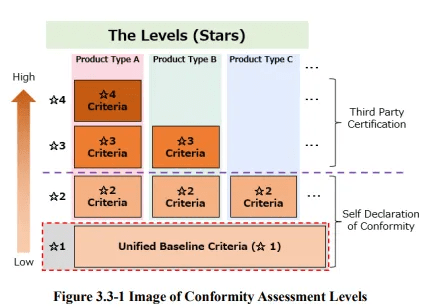
該制度採用星級分層機制:
根據IPA公開資訊,JC-STAR★1級已於2025年3月正式開放申請;★2級至★4級的實施細則目前尚未公布。
根據日本經濟產業省(METI)及《併網技術要件》(Grid Code)的相關審議草案,日本計畫最快自2027年起,將JC-STAR★1級驗證逐步納入分散式電源併網的技術要求。
目前公開的政策規劃時程包括:
值得注意的是,監管重點並非針對「整個儲能系統」的物理本體,而是精準聚焦於具備通訊與遠端控制功能的設備單元。
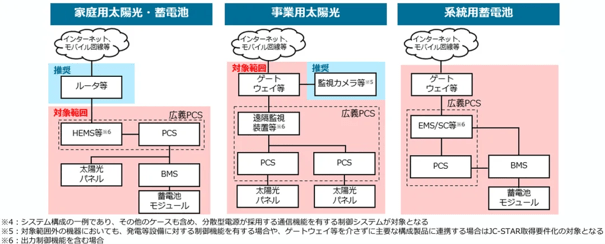
綜合公開資料,納入重點監管範圍的設備主要包括:
而太陽光電模組、電芯、電池模組等不具備聯網功能的硬體,通常不屬於本次網路安全驗證的重點監管對象。
結合JC-STAR★1級目前公開的基線要求,企業普遍需要重點關注以下IoT產品基礎安全能力:
對於儲能及太陽光電設備廠商而言,日本網路安全合規正在從「附加項」逐步轉變為「基礎門檻」。
2026年3月18日,新加坡網路安全局(Cyber Security Agency of Singapore,簡稱CSA)與日本METI正式簽署合作備忘錄。根據協議,自2026年6月1日起,兩國正式啟動物聯網網路安全標籤計畫的互認安排。日本由此成為繼芬蘭、德國、韓國及英國之後,第五個與新加坡達成此類互認的經濟體。
此次互認主要針對兩國的自願性標籤計畫:
對於同時布局日本與新加坡兩國市場的智慧設備製造商而言,此互認安排將實質降低跨境合規成本。過去,企業須在兩國分別完成獨立的驗證測試;在互認機制下,已取得日本JC-STAR或新加坡CLS驗證的設備,可透過簡化流程申請對方國家的標籤驗證,無須重複進行全套測試,進而大幅提升雙市場准入效率。
在全球能源系統加速數位化的趨勢下,網路安全已成為新能源產業鏈不可或缺的核心基礎。日本JC-STAR驗證制度的推行,也代表當地市場對「安全+能源」雙重合規標準的要求全面升級。
因應此一趨勢,TÜV SÜD網路安全團隊可提供日本JC-STAR及新加坡CSA CLS相關的一站式合規服務,涵蓋產品網路安全測試、標準差距分析及標籤申請支援等環節。針對儲能設備及其他IoT設備,團隊可依據JC-STAR★1要求,協助企業進行通訊安全、身分驗證、安全更新、漏洞管理等測試評估,並提供技術文件準備與申請資料審核支援,協助企業更高效推動日本市場的網路安全合規工作。
2026.06.22
隨著歐盟《網路韌性法案》(Cyber Resilience Act, CRA)推進實施,支撐法規落地的垂直標準架構也日趨完善。針對路由器、閘道器、數據機及交換器等關鍵網路設備的專項標準ETSI EN 304 627,已於2026年5月發布最新成熟草案。
作為CRA框架下重要的技術支撐標準之一,該標準聚焦CRA法規Annex III Class I, Point 12所定義的路由器及閘道器類產品,系統性建立核心控制措施的合規基準,為企業落實CRA要求提供清晰且可執行的技術路徑與對標依據。
EN 304 627的適用對象明確聚焦於具備網路互聯與管理能力的設備:
EN 304 627標準延續CRA典型的風險導向(Risk-based)框架,建立嚴謹的邏輯閉環:
風險因子主要涵蓋四大面向:
合規提示:完整的風險評估結果須納入技術文件,並隨產品迭代持續維護與更新。
標準主要內容圍繞路由器、網際網路接入數據機及交換器等網路基礎設施產品展開,明確界定適用產品範圍、產品功能、產品架構、運作環境、使用者類型及關鍵資產,涵蓋家庭、企業、資料中心及電信營運商網路等多種部署情境,並基於風險分析方法,確定對應的網路安全要求。
標準從無已知可利用漏洞、安全軟體更新、預設安全組態、身分驗證與存取控制、連線管理、資料完整性與機密性保護、資料最小化、服務可用性保障、系統完整性、安全啟動、攻擊面限制、日誌稽核及安全資料傳輸等面向,提出全面的網路安全技術要求。
關於產品漏洞處理要求,製造商需參考橫向標準prEN 40000-1-3,檢查內部是否已建立符合CRA要求的漏洞處理流程,以及是否能夠依據該流程處理漏洞。
附錄K定義了對於路由器、網際網路接入數據機及交換器而言,哪些密碼演算法、密碼協定及密碼建構可被視為Cryptographic State of the Art(CRY-SOTA)
CRY-SOTA可用於支撐本標準中的多項技術要求。
CRY-SOTA意指目前被認可、具備足夠安全性且尚未被淘汰的密碼機制。
後續若該標準正式發布並被歐盟官方引用為協調標準,符合本標準要求的路由器、數據機及交換器等產品,可推定符合CRA法規相關網路安全要求,進而支持產品進入歐盟市場。
隨著CRA全面實施,歐盟將建立更加清晰且統一的網路安全監管架構。CRA不僅關注產品上市時的安全性,更強調全生命週期的漏洞管理與應急回應。
為此,TÜV SÜD網路安全團隊提供一站式解決方案,涵蓋產品漏洞識別、漏洞處理流程評估與稽核、產品差異分析、測試驗證,以及全生命週期相關服務,全方位協助企業系統化推進CRA合規工作,並高效滿足國際法規要求。
2026.07.22
隨著歐盟《網路韌性法案》(Cyber Resilience Act, CRA)進入實施推進階段,面向「帶有數位元素的產品」(Products with Digital Elements, PDE)的網路安全合規要求,正從上市前的安全設計、測試與評估,進一步延伸至上市後的持續漏洞管理與安全維護。
對製造商而言,能否建立可執行、可追溯、可驗證的漏洞接收、分析、修復、發布與持續改善機制,將成為證明CRA合規能力的重要基礎。
在CRA配套橫向標準架構中,prEN 40000-1-3《Cybersecurity requirements for products with digital elements - Part 1-3: Vulnerability Handling》聚焦「漏洞處理」(Vulnerability Handling)流程,旨在為製造商落實Regulation (EU) 2024/2847 Annex I Part II中的漏洞處理義務,提供技術實施路徑。該標準目前仍處於歐洲標準草案階段,有待正式發布。
這也意味著,漏洞處理將不再只是研發或售後團隊的技術問題,而是製造商進入歐盟市場、維持產品合規狀態,以及回應客戶審查時必須具備的系統化能力。對於物聯網設備、智慧家電、工業控制產品、軟體及嵌入式系統企業而言,提前理解並導入該標準要求,將有助於降低後續合規整改成本,並提升海外客戶對產品網路安全治理能力的信任。
在產品實際運作過程中,即使製造商已於設計和開發階段採取網路安全措施,漏洞仍可能在軟體、韌體、硬體介面或第三方元件中被發現。prEN 40000-1-3強調,製造商不應僅在漏洞曝光後被動補救,而應提前建立涵蓋產品支援期間的漏洞處理流程,包括持續監測、漏洞接收、適用性判斷、風險評估、優先順序排序、修復開發、驗證測試、更新發布及對外溝通等活動。
該標準參考EN ISO/IEC 30111、EN ISO/IEC 29147及ISO/IEC TR 5895等國際標準,並結合CRA對產品全生命週期責任、協調漏洞揭露(CVD)、SBOM、安全更新、定期安全測試與審查等方面的要求,將抽象的法規義務轉化為製造商可落實的流程要求。
從企業實務角度來看,漏洞處理能力通常涉及研發、品質、售後、供應鏈、法務、資訊安全及合規團隊的協作。若缺乏統一流程,企業可能面臨漏洞報告無人接收、第三方元件影響無法判斷、安全更新發布不及時、客戶問卷無法回應、技術文件證據不足等問題。prEN 40000-1-3的價值,正是在於協助企業將這些分散活動整合為一套可運作、可稽核、可持續改善的管理閉環。
prEN 40000-1-3適用於帶有數位元素產品的製造商,重點規定漏洞處理流程相關的要求與活動。其核心目標,是支持製造商建立符合CRA Annex I Part II的漏洞處理制度,並為後續合規評估、技術文件準備及市場監管溝通提供依據。
prEN 40000-1-3將漏洞處理活動劃分為一套完整流程,涵蓋漏洞出現前的準備工作、漏洞資訊接收、驗證、修復、發布,以及發布後的持續追蹤。標準中定義了七個主要階段:Applicability(適用性)、Preparation(準備)、Receipt(接收)、Verification(驗證)、Remediation(修復)、Release(發布)和Post-Release(發布後)。
0. Applicability:適用性判斷階段
在進入正式處理流程之前,製造商需基於產品風險評估結果,判斷哪些要求增強項適用於當前產品。這是整個漏洞處理流程的入口,確保後續投入與產品實際風險相符。
1. Preparation:準備階段
製造商需要建立漏洞處理政策、協調漏洞揭露政策、產品識別機制、軟硬體元件識別機制、SBOM、安全測試與審查計畫、安全更新發布機制,以及操作安全措施、持續溝通機制和安全通訊機制。此階段的重點在於確保企業在漏洞發生前,已具備相應的組織、流程與技術準備。
2. Receipt:接收階段
製造商應提供可公開存取的漏洞報告機制,並能夠接收來自內部及外部的漏洞資訊,例如研究人員、使用者、公開漏洞資料庫、內部測試及安全審查結果等。標準也要求對漏洞報告建立追蹤編號或識別機制,以支持後續處理與溝通。接收後,需利用漏洞資訊及SBOM識別可能受影響的軟體元件和硬體元件。
3. Verification:驗證階段
在收到漏洞資訊後,製造商需判斷漏洞是否真實、是否可重現、是否適用於相關產品,並評估漏洞的嚴重性與影響範圍。同時結合風險評估結果及產品風險概況,對漏洞進行優先順序排序。若報告資訊不足,應向報告者索取更多資訊。若資訊來自CVD管道,驗證結果應回覆給報告者。
4. Remediation:修復階段
製造商需基於漏洞驗證結果制定修復決策與修復計畫,並開發相應的修復措施。修復措施可包括安全更新、組態變更、文件更新或其他緩解措施。在技術可行的情況下,安全更新應與功能更新分開提供。修復完成後,還需進行測試,確認風險已獲得緩解,且不會對產品或使用者造成不可接受的影響。
5. Release:發布階段
安全更新應以安全方式發布,並確保更新的真實性與完整性。除客製化產品另有約定外,安全更新應免費提供。標準要求安全更新在具備發布條件後應及時發布;若非全自動更新,還應提供安裝說明。對於已修復漏洞,製造商也應依據協調漏洞揭露政策發布相關資訊,且資訊需同時以人類可讀及機器可讀格式提供。
6. Post-Release:發布後階段
漏洞修復和更新發布後,製造商仍需追蹤修復效果、監控後續情況,並將經驗回饋至後續產品開發及漏洞處理流程中,形成持續改善機制。
隨著CRA階段性義務逐步生效,歐盟對帶有數位元素產品的網路安全要求,將從「產品上市前符合要求」延伸至「產品上市後持續受控」。企業不僅需要證明產品在投放市場時具備合理安全水準,也需要證明其在產品支援期間能夠持續識別、處理和溝通漏洞,並透過安全更新和風險管理措施維持產品網路韌性。
TÜV SÜD網路安全團隊可結合CRA法規要求、prEN 40000-1-3漏洞處理流程要求,以及企業現有研發與品質管理流程,為製造商提供涵蓋CRA合規差距分析、漏洞管理評估、產品生命週期管理評估、產品網路安全測試與評估、技術文件準備及後續合規準備的一站式服務。
透過第三方專業支持,企業可將標準要求轉化為可執行的流程、可驗證的技術證據,以及可對外展示的合規能力,進而更高效地回應歐盟市場准入、海外客戶稽核及供應鏈網路安全要求。
Select Your Location
Global
Americas
Asia
Europe
Middle East and Africa

